
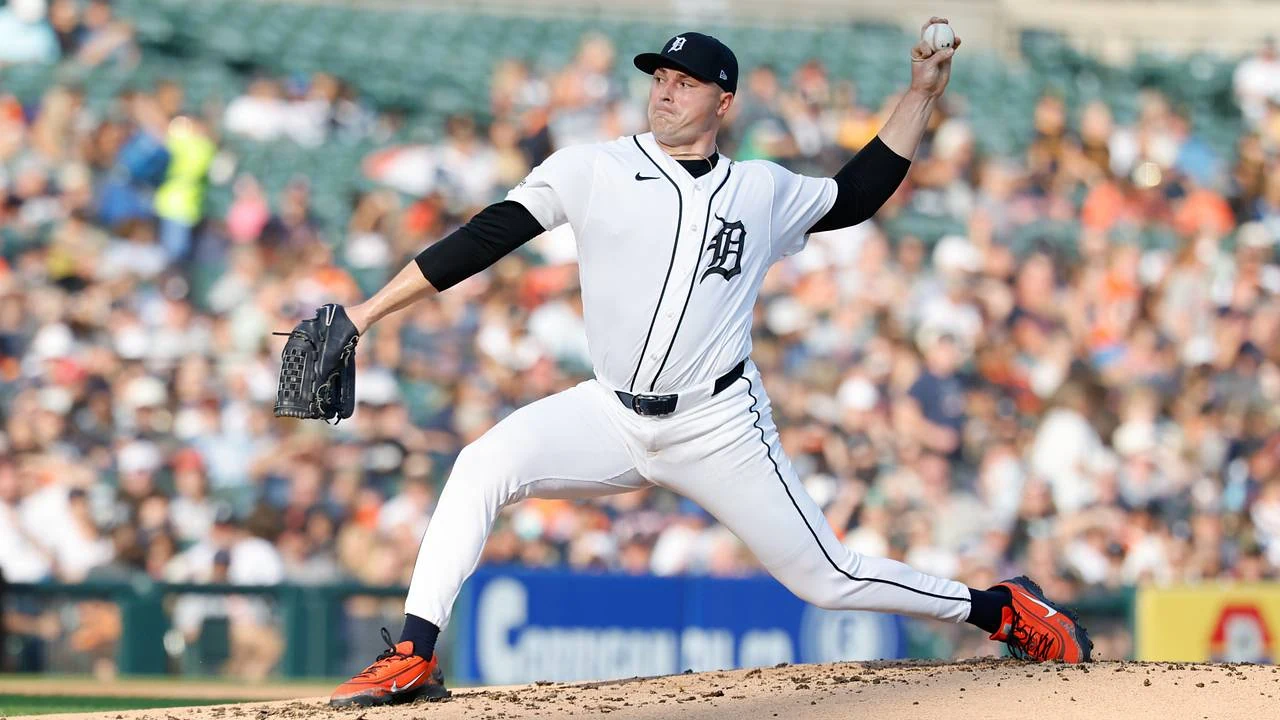
MLB trades and signings through November 27
Through November 27, 2026, the Mets had made their nine-year deal with Tarik Skubal official and clubs had already moved players in separate offseason trades. This 2026–27 MLB offseason tracker collects selected confirmed deals and explains what the teams acquired. It covers the winter leading into the 2027 season, with separate tables for trades and major league signings. For a new transaction after this cutoff, start with MLB’s daily transaction log and check the acquiring club’s announcement.
The distinction matters even for the biggest name on the page. The Dodgers acquired Skubal from Detroit in an August trade and sent three players the other way. His move to the Mets was an offseason free-agent signing. You could find headlines about a club acquiring Skubal in both cases, but only one belongs in this winter’s list. Our in-season trade deadline tracker covers the separate summer window.
To make the lists useful, the dates come from an official transaction record or club confirmation. When a club confirms that a deal is complete but reporters supply the dollar figure, the coverage treats those as different facts. A news story can break an agreement days before the team adds the player, and the league’s broader offseason roundup sometimes labels agreements as reported while they await confirmation.
Look at the names on both sides of a trade before counting roster gains. In a signing, check whether the player is joining a new team or returning to the old one, and whether the commitment is a major league deal. Then use the separate free-agent watchlist for players who were candidates to hit the market and verify their current status against the log.
Confirmed offseason trades
Here are six completed trades from this snapshot. Dates refer to the official move or announcement, which can precede the story explaining it. The return column tells you what the club that moved the featured player actually acquired. In some trades that means a young player to develop. In others it means cash or a choice that can be settled later.
| Date | Acquisition | Return |
|---|---|---|
| Nov. 20 | Dodgers receive infielder Royce Lewis | Twins receive right-hander Bobby Miller and minor league catcher Francisco Espinoza. Twins announcement |
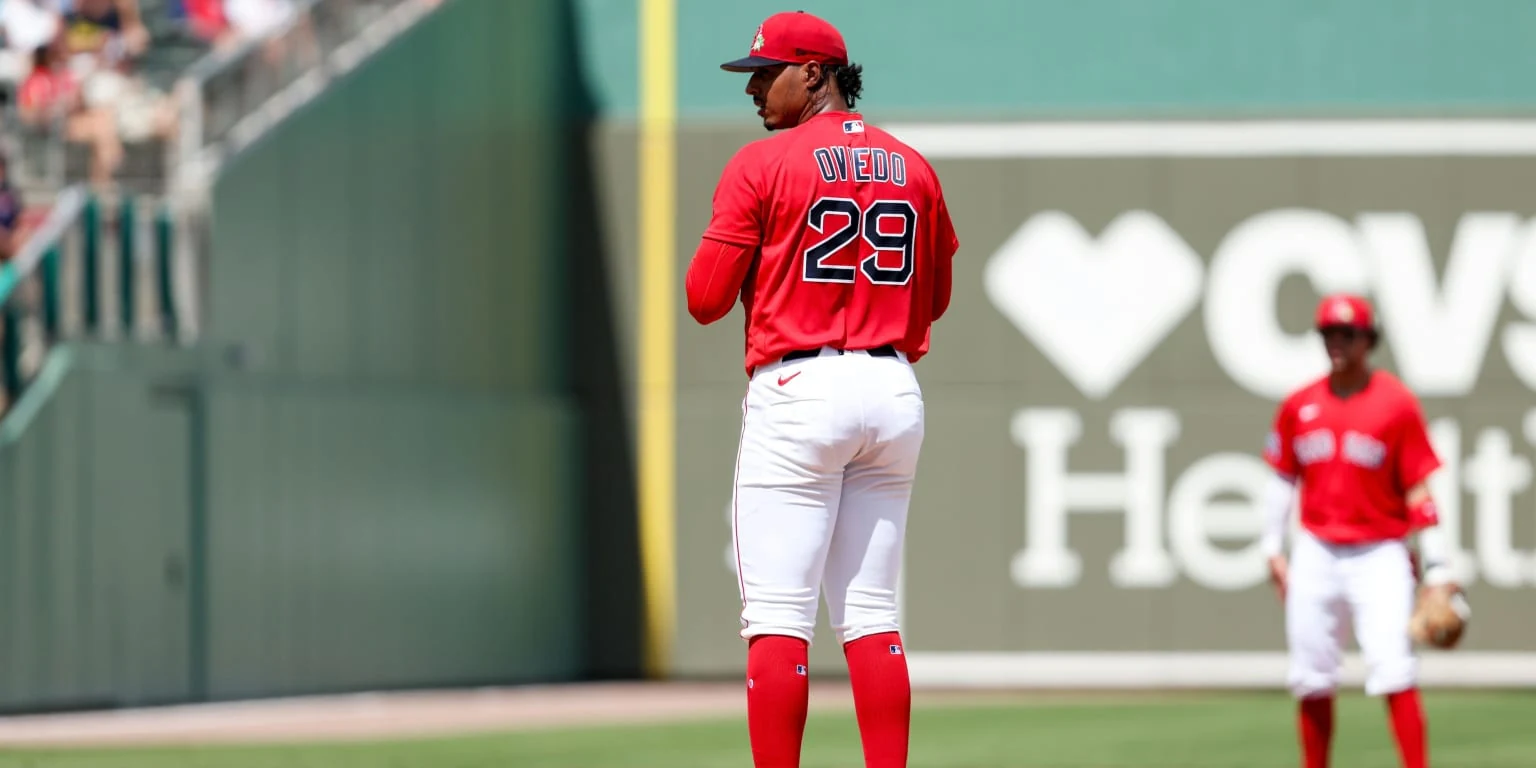
| Nov. 20 | Diamondbacks receive right-hander Johan Oviedo | Red Sox receive minor league left-hander Luke Dotson and a player to be named later or cash considerations. Boston announcement |
| Nov. 20 | Rockies receive right-hander Chase Lee | Blue Jays receive cash. Colorado transaction log |
| Nov. 19 | Rockies receive right-handers Luis Castillo and Davis Martin | White Sox receive left-hander Sean Sullivan and minor league catcher Douglas Veliz. Colorado trade account |
| Nov. 18 | Red Sox receive catcher Nick Fortes | Rays receive minor league right-hander Angel Roa. Boston announcement |
| Nov. 15 | Brewers receive right-hander Ryan Walker | Giants receive minor league right-handers Blake Holub and Gavin Perry. Milwaukee announcement |
The Dodgers landed a right-handed infield option in Lewis, who has recent experience at first and second as well as a history at third. Minnesota took back an arm who has started in the majors and a catcher who spent the past season at the complex and in Single-A. A spring depth chart could show Lewis as the only immediate lineup candidate in the trade. That is an observation about timing. Espinoza’s long-term value will emerge partly from where he is assigned and how he handles tougher pitching.
Colorado acquired two pitchers who combined for 51 starts in 2026. That gives the club more ways to cover early series without asking one pitcher to account for an entire rotation upgrade. The White Sox return added a left-hander and a young catcher, two assets that can develop on different timelines. Compare that with Milwaukee’s acquisition of Walker. Adding a reliever who has worked the ninth can improve a manager’s choices on consecutive nights. It leaves a different set of innings to fill than adding two starters.
Record an unresolved return in the same words the club used. The acquiring club can have its new player while the other side still waits for the second piece. That is why Boston’s return for Oviedo says “a player to be named later or cash considerations.” By contrast, Colorado’s log lists cash for Lee. The two transactions belong in the completed table even though the public descriptions give different detail about the return.
How Boston used separate deals to reshape its roster
Arizona brought in Oviedo after Boston got just one major league appearance from him in 2026. The right-hander has a background as both a starter and a reliever, so the Diamondbacks added a pitcher who could compete for innings in either role. His recent workload makes spring usage a better guide to his eventual job than his acquisition alone. Boston received a minor league arm in Dotson and retained the conditional part of the return.
Fortes arrived in a separate deal two days earlier. He appeared alongside Adley Rutschman and Mickey Gasper on the club’s November 20 catcher list. That gives Boston a way to spread receiving and backup work across camp while Dotson’s development can happen outside the major league rotation. The two dates help explain why a headline about Boston moving a pitcher tells you little about how the club filled a catching need. For a clear picture, track the roster effects of each deal on its own.
Confirmed major league signings
The dates in this table come from the club announcement or the official roster log. A player can agree to terms before a physical, while the club’s roster notice comes later. The signed row answers when the club confirmed the transaction. It does not imply that the club disclosed full contract details. Where a reporter supplied the length, the table marks it as reported.
| Date | Club and player | Term or status |
|---|---|---|
| Nov. 25 | Mets sign LHP Tarik Skubal | Nine years. Mets signing account |
| Nov. 25 | Mets sign 1B Paul Goldschmidt | One year. Mets signing account |
| Nov. 25 | Mets sign LHP Darwinzon Hernández | Signing logged. Three years reported. |
| Nov. 25 | Yankees sign RHP Jonathan Loáisiga | Signing logged. Two years reported. |
| Nov. 24 | Orioles sign RHP Freddy Peralta | Five years, through 2031. Baltimore announcement |
| Nov. 24 | Yankees sign LHP Brent Suter | One year with a 2028 club option. Signing account |
| Nov. 24 | Yankees re-sign LHP Tim Hill | One year with a 2028 club option. Yankees announcement |
| Nov. 17 | Red Sox sign DH/1B Jake Bauers | Four years, through 2030. Boston announcement |
Some announcements carry a second move at the bottom. Boston announced that it traded Raymond Burgos to the Athletics for minor league pitcher Kenya Huggins to accommodate Bauers on its 40-man roster. The club gave Bauers a contract and transferred Burgos in a separate exchange. If you count only the big name in an announcement, you can miss the corresponding change to a club’s depth. If you count the entire package as one trade, you lose the reason for the two filings.
In contract terms, a reported total and an annual payout answer different questions. A nine-year deal at a reported aggregate value tells you the length and scale of the commitment. It takes a much more complete financial disclosure to say what the club will pay in a specific season. A team option likewise identifies an additional season the club may choose to retain. A table that shows that detail preserves the difference between a written option and a guaranteed additional year.
What the Skubal signing changes for the Mets
The Mets made the deal official on November 25. Their account says the contract runs nine years. It attributes the $450 million value to sources. The same report puts the Mets’ starting pitchers at a 4.47 ERA in 2026, 23rd in the majors. One long-term starter gives them a clear response to the top of the rotation problem. His signing also gives the club a way to plan around younger starters such as Nolan McLean rather than asking each of them to carry the same burden.
Watch the rest of the staff before assuming that an ace fills every gap. In a typical three-game series, the innings from the other two starters still decide how much relief work the club needs. A younger arm who can get through a lineup twice and a veteran able to take a regular turn can be important additions even after the most expensive agreement of the winter. The Mets schedule identifies the home and road series to watch once roles and probable pitchers become clearer.
Why rotating pitchers and adding bullpen depth are different jobs
For Baltimore, Peralta’s past workload shows the kind of job the club is filling. Between the Mets and Rays he made 32 starts and pitched 169 innings in 2026, according to his new club. A starter who can keep taking his turn helps limit the number of short starts or bullpen games a team has to plan for over six months. The eventual order also depends on how the arms around him look when the Orioles open camp.
Hill and Suter provide a different kind of capacity for the Yankees. The club credits Hill with stranding 33 of 35 inherited runners in 2026. Suter threw 91 innings in 54 games across two teams. A manager can value a left-hander for entering with runners already on base or for carrying more than one inning. There is room for both skills in the same staff. Looking at usage explains more about the possible fit than adding up each pitcher’s contract years.
How to read reported agreements, options and waivers
The first verb in the transaction matters more than the length of the headline. When you see that a team and a player agreed to terms, look for who supplied the information and whether the team says the deal is complete. A conditional report can be accurate at the time and still leave something to verify. For example, MLB.com reported that Kevin Gausman agreed to a deal with Detroit pending a physical. His name did not appear as a signing in the Tigers’ November transaction log reviewed for this snapshot. A reader checking the same deal later should start at the club’s newest entry.
When a club exercises an option, it activates a provision already in a contract. Seattle’s handling of two pitchers is a good illustration. According to MLB’s option list, the Mariners picked up Andrés Muñoz’s club option and declined Bryce Miller’s. Miller still had years of arbitration eligibility, giving Seattle a path to retain him. The outcome of an option decision depends in part on the player’s remaining club control. Read the player’s roster status after the decision before assuming he can sign anywhere.
When a team non-tenders a player, the roster consequence is different. Boston’s November 20 announcement said it would leave catcher Connor Wong without a tender for the coming year and that he would become a free agent. The club does not acquire another player through the decision. That can change both the team’s depth and the market at a position. The non-tender guide explains why this deadline changes who is available.
A qualifying offer presents an eligible free agent with a standardized one-year deal from his former club. David Bednar accepted the Yankees’ offer and Ryan Jeffers accepted the Twins’ offer this winter. Their choices committed them to their existing clubs for one season at that offer amount. A player who declines can keep exploring the market, and draft compensation can apply if he signs elsewhere. Our qualifying offer results cover the decisions and the possible picks.
For a waiver claim, the new team acquires a player through the waiver process. The Mets’ November log shows they claimed Yunior Tur from the Athletics on November 20 and designated him for assignment five days later. Under the DFA rule, the designation removes a player from the 40-man roster and starts a separate process to resolve his status. Reading the second entry matters as much as reading the first. A minor league signing likewise tells you a player has joined the organization. It takes another move to put him on the active major league roster.
The next offseason dates to check
The first date on the calendar is December 1, 2026, at 11:59 p.m. Eastern, when the current major league agreement is scheduled to expire. MLB has said a lockout could follow. Check official notices before assuming either that signings will proceed normally after the deadline or that a deal completed earlier has somehow disappeared from the books. A bargaining update answers a question about the labor dispute. A team’s roster notice answers whether a specific move has been recorded.
MLB’s calendar placed the Rule 5 Draft in San Diego on December 9, while its coverage also warned that labor developments could affect the event. Follow the Winter Meetings schedule for updates. A club’s decision to protect an eligible prospect is already a roster action. A later selection by another organization depends on the draft being held and that player being available. Keep the two moves apart when reading a busy week’s headlines.
For a transaction you see after the cutoff, use the date selector in the league register and then open each involved club’s page. In a trade with several players, the same exchange can appear more than once with the clubs’ names or logos repeated. Match the date and the players involved before treating two rows as two deals. If a player is listed as a future consideration, keep the conditional wording until a team identifies how it was settled. If the update is a signing, check whether there is a corresponding move to clear a roster place.
The league’s published schedule calls for spring exhibitions to begin February 19, 2027. In the weeks before camp, treat a club depth chart as a working view of the organization. An infielder can be the practical backup at more than one position. A pitcher may be listed with the starters and still compete with the relievers for a roster spot. When games are closer, look at who is healthy, who is still on the roster and who actually gets early innings. The roster log answers whether the club acquired the player. The first games provide better evidence of how the club plans to use him.
Loading comments...