
Which MLB teams have never won a World Series?
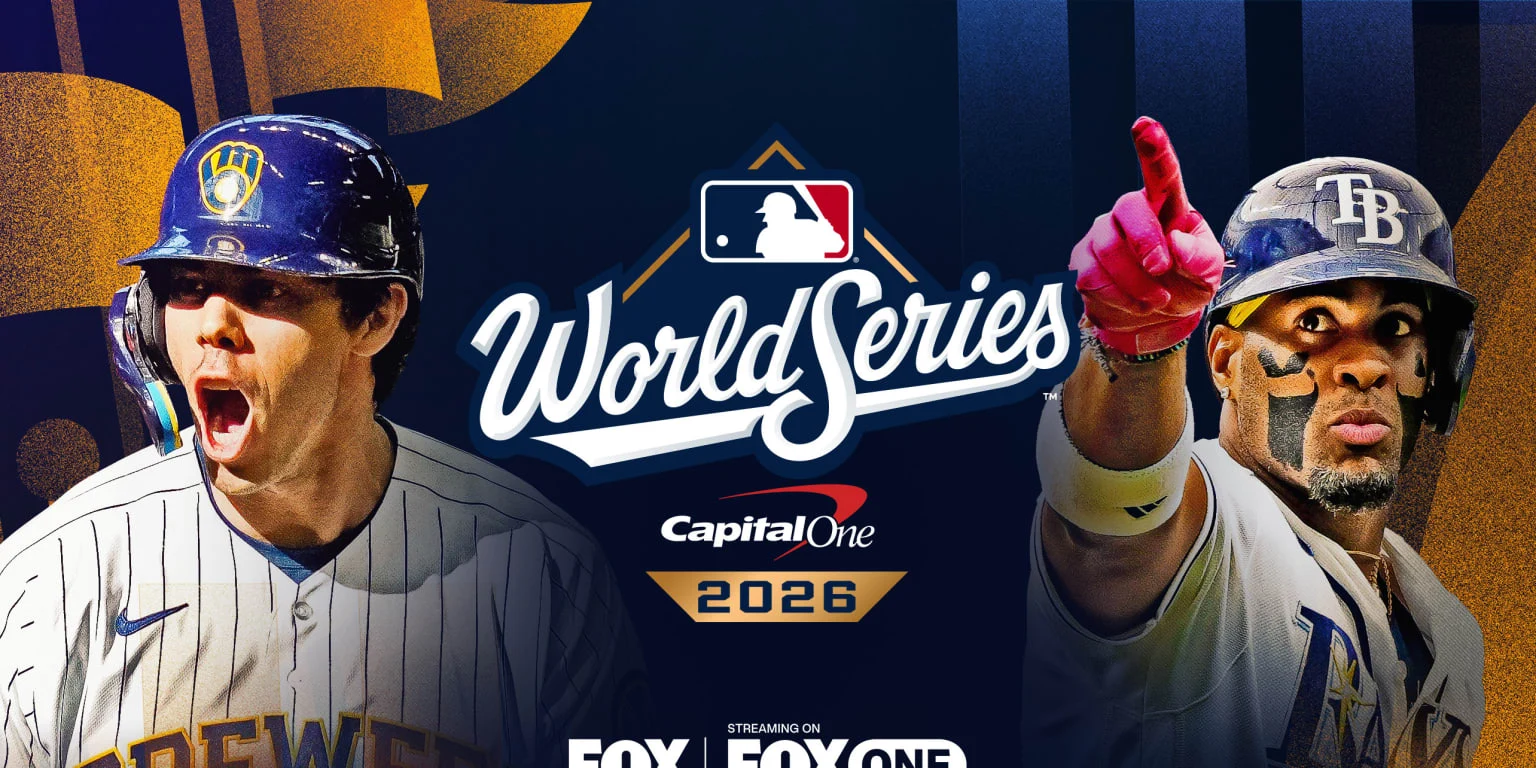
As of October 27, 2026, while the World Series is still in progress, five MLB franchises have never won a World Series: the Milwaukee Brewers, Tampa Bay Rays, Seattle Mariners, San Diego Padres and Colorado Rockies. Milwaukee and Tampa Bay are playing each other for the 2026 championship, so this list will lose one member when the series is actually decided.
The date is essential. Reaching the World Series adds an appearance to a team's history immediately; it does not add a championship before the team wins the series. Both 2026 participants therefore remain on the never-won list at the time of this update.
| Franchise | World Series appearances through this update | World Series titles |
|---|---|---|
| Milwaukee Brewers | 1982, 2026 | 0; 2026 series in progress |
| Tampa Bay Rays | 2008, 2020, 2026 | 0; 2026 series in progress |
| Seattle Mariners | None | 0 |
| San Diego Padres | 1984, 1998 | 0 |
| Colorado Rockies | 2007 | 0 |
MLB's current franchise list supplies the starting point for this distinction. A list organized by appearances will look different from one organized by championships, and a ranking of long title droughts will include teams that won many years ago. Those are related questions with different answers.
For the teams that have won, our World Series winners by year guide provides the complementary championship record. The table here is deliberately narrower: it identifies franchises still seeking their first title. It does not rank their fan bases, assign blame for past losses or predict which team will have the best chance next season.
Read older lists with the same date awareness. An article written before the 2026 pennants were decided may show fewer appearances for Milwaukee and Tampa Bay even though its five-team championship list remains correct. That is an update to the appearance column, not proof that either club has already won the final round.
Why the Brewers and Rays make the 2026 list time-sensitive
A World Series between two franchises without a title guarantees a first-time champion once the competition is completed. It does not identify that champion in advance. MLB's official World Series media-day announcement identifies this as the first such matchup since the Phillies and Royals met in 1980.
Milwaukee's second trip follows its 1982 appearance
The Brewers reached their first World Series in 1982, when they were an American League club. Milwaukee lost that seven-game series to St. Louis. The 2026 appearance comes as the National League representative, following its NLCS victory over the Dodgers. These are two appearances by the same continuous franchise, despite the league switch.
The 1982 team is associated with Robin Yount, Paul Molitor and a powerful lineup remembered as Harvey's Wallbangers. Its pennant remains an important achievement even though the final series ended in defeat. Describing Milwaukee as a team with no World Series title should not erase that earlier trip or imply that the franchise had never reached the championship round.
Another useful distinction is where earlier postseason runs ended. A loss in a Division Series or League Championship Series is not a World Series loss. Reaching the final stage in 2026 changes Milwaukee's appearance count; winning that final stage would change its championship count. Those updates happen at different moments.
Tampa Bay's third trip follows 2008 and 2020
The Rays began play in 1998 and first reached the World Series in 2008. Philadelphia won that matchup in five games. Tampa Bay returned in 2020 and lost to the Dodgers in six. Its 2026 pennant therefore creates a third appearance while leaving the franchise in search of a first title.
The 2020 trip also explains why a team's World Series appearances cannot always be read as a list of home games at its usual stadium. That championship series was played at the neutral-site Globe Life Field in Texas. A franchise can have a World Series appearance without hosting that series in its own ballpark.
MLB's history of the two first-title bids provides the background for both clubs. For the current series sequence, use our 2026 playoff schedule and bracket guide. The decisive update to this list comes from a completed championship, not a promising inning, a lead in the series or a prediction about which roster looks stronger.
The three other franchises still waiting for a first title
Seattle, San Diego and Colorado cannot leave the never-won list through the 2026 World Series because none is playing in it. Their histories also demonstrate why the five clubs should not be treated as having identical postseason records. One has never appeared in the final round; two have won National League pennants.
Seattle Mariners: no World Series appearance
The Mariners, who began play in 1977, remain the only active MLB franchise that has never appeared in a World Series. That is a narrower distinction than never winning one. It means Seattle has not yet had the opportunity to settle a championship through the final series, regardless of how strong an individual regular season was.

The 2001 Mariners won 116 regular-season games but lost the ALCS to the Yankees. Their 2025 season ended in ALCS Game 7 against Toronto, another near miss that did not become a World Series appearance. MLB's account of that loss records how close the team came while preserving the distinction between an ALCS berth and a pennant.
For a Seattle fan, a first pennant and a first championship would therefore be two separate milestones. A future World Series appearance would end the appearance drought immediately. The franchise would still remain on a never-won list until it also won that final series.
San Diego Padres: two pennants without a championship
The Padres have played in the World Series twice. Detroit beat them four games to one in 1984, and the Yankees swept them in 1998. The Padres' official postseason record lists both results. San Diego consequently belongs on the never-won list but not on a list of teams that have never appeared.
There is an additional wording trap here: never winning a World Series is not the same as never winning a World Series game. The Padres won a game in the 1984 matchup. A championship is awarded for winning the series, so that individual victory did not remove them from the titleless group.
Tony Gwynn's association with both pennant-winning teams helps connect those separate eras, but an individual player's career is not the unit used for this list. The question concerns the franchise's final-round results. A player can have a distinguished career on a team that is still waiting for its first championship.
Colorado Rockies: the 2007 pennant did not become a title
The Rockies began play in 1993 and reached their only World Series in 2007. Boston won all four games. Colorado's National League pennant remains part of the franchise record, while the World Series title column remains empty.
Colorado also illustrates why a division championship and a league championship are different achievements. Its 2007 run reached the World Series through a Wild Card route. Winning the division is not the only way to enter a postseason that can lead to a pennant. Our current MLB playoff format guide explains today's stages; the precise number of rounds and qualification rules should always be checked for the historical season being discussed.
Never winning, never appearing and a long drought mean different things
Much of the confusion comes from using championship, pennant and drought as interchangeable terms. A useful comparison keeps the achievement and the time period explicit. Otherwise, a list about one subject can appear to contradict an accurate list about another.
A league pennant is not a World Series championship
The American League and National League each produce a league champion, commonly described as a pennant winner. Those clubs play for the World Series championship. In the current format, winning the best-of-seven final requires four game victories. Qualifying for that matchup is an achievement in its own right, but it is not the same trophy.
The Padres' 1984 season makes the hierarchy concrete. San Diego won its division, won the National League pennant and reached the World Series. It did not win that final series. Those statements can all be true because they describe successive stages rather than alternative names for one result.
Historical formats require the same care. The route to a pennant has changed as MLB has added teams and playoff rounds. A modern Wild Card explanation should not be applied word for word to every earlier decade. The stable question for this article is whether the franchise ultimately won a World Series.
A former champion can have a longer active drought
Cleveland last won the World Series in 1948. Its wait is longer than the entire history of several expansion franchises, but Cleveland still does not belong on a never-won list. A past championship remains part of the franchise record even when no current fan remembers watching it.
MLB's active-drought overview therefore answers a broader question. It includes long waits since a previous title as well as teams that have no title at all. Comparing the date of a last championship is different from asking whether such a date exists.
Older lists can also retain teams that have since broken through. The Cubs won in 2016, and the Rangers won their first championship in 2023. Neither belongs among franchises that have never won. When a familiar name appears in a search result, check the article's date and the particular statistic before using it as a current answer.
How relocation and name changes affect the answer
This list counts continuous MLB franchises, not only their current city names or uniform lettering. A relocation can change the home market without creating an entirely new franchise history. A nickname change can also leave the underlying record intact. Establish that continuity before deciding which titles or appearances count.
The Rays and Devil Rays, for example, are parts of the same franchise history. Changing the name did not create a second Tampa Bay team with a separate championship record. Similarly, the Montreal Expos became the Washington Nationals. Washington's 2019 title ended the continuous franchise's wait for its first World Series championship.
Our MLB expansion and relocation guide explains those connections in a broader timeline. For a never-won list, the practical question is whether an apparent predecessor belongs to the same franchise or was a different team that happened to occupy the same city.
Why the Milwaukee Braves' title does not belong to the Brewers
The Milwaukee Braves won the World Series in 1957. That championship belongs to the Braves franchise, which later moved to Atlanta. It does not give the Brewers a championship merely because both teams played home games in Milwaukee.
The Brewers' own franchise began as the Seattle Pilots in 1969 and moved to Milwaukee in 1970. The two dates answer different questions: when the continuous franchise started and when it began playing in its current city. A list using current-market tenure may show 1970, while a franchise-history account begins in 1969.
The Seattle connection creates another potential mix-up. The Pilots were not an earlier name for the current Mariners. The Mariners entered MLB separately in 1977. Their appearance drought therefore cannot be merged with the Brewers' 1982 trip through a shared city name.
Milwaukee's later move from the American League to the National League likewise did not start a new franchise. Its AL pennant in 1982 and NL pennant in 2026 belong in the same appearance record. The useful distinction is continuity, not whether the team remained in one league or one division throughout its existence.
How to check this list when the 2026 World Series ends
The update trigger is straightforward: one club must win the completed World Series. In the current best-of-seven format, that means reaching four victories. A series lead, an individual game marked final or a strong probability estimate is not the same thing as a championship.
When that happens, the winner moves out of the never-won group. The loser remains with the Mariners, Padres and Rockies, leaving four active franchises still seeking a first title. Until that outcome exists, the five-team answer at the top of this October 27 update remains the appropriate one.
To verify a later answer, start with MLB's official postseason results. Check whether the final series itself has been decided, rather than stopping at the score of the most recent game. Then compare the winner against the franchise list, using the continuity rules explained above.
Pay attention to what has changed and what has not. The losing club will still have a 2026 appearance in its record. Seattle will still be the only current franchise without any appearance unless it reaches a future World Series. A completed Brewers-Rays series changes the first-title list; it cannot retrospectively change another team's pennant history.
For future seasons, the same method applies. Confirm the franchise, identify whether the question concerns an appearance or a championship and use the most recent completed result. Do not add a team merely because it changed names, and do not remove one because it won a division or appeared in a postseason bracket.
A dated answer is especially helpful during October, when appearances can change before championships do. If you encounter a four-team list after the 2026 clincher, compare its cutoff with this one before treating the difference as an error. The milestone that matters is the recorded first championship, and the official result is what establishes it.
Loading comments...