
Is the MLB 154-game season proposal already approved?
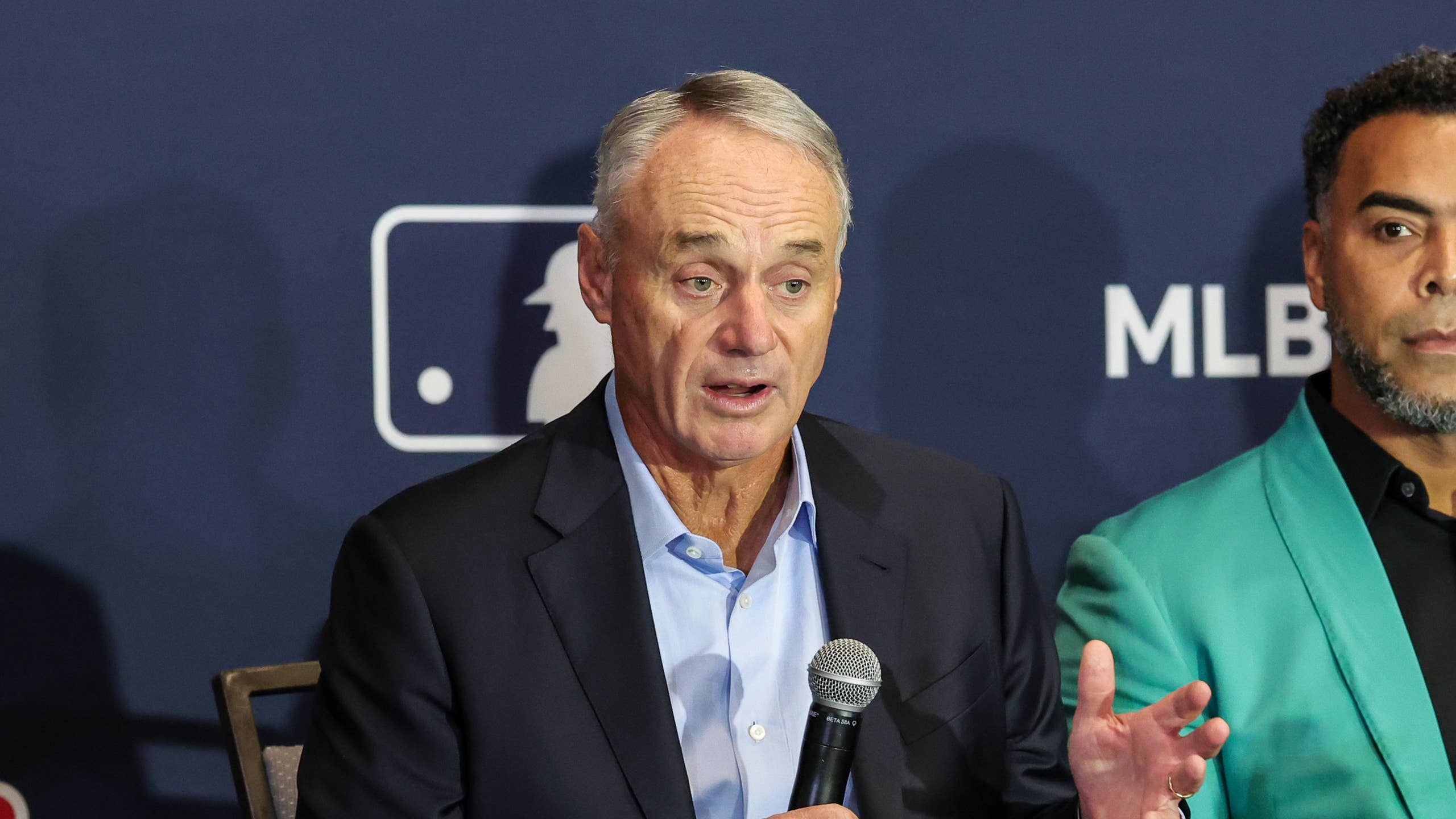
No. As of October 10, 2026, this was a bargaining proposal, not an approved change to MLB's rules. MLB presented the package on October 8. It combines a shorter regular season, a different weekly schedule and changes to the first two playoff rounds. For fans following the current postseason, the existing bracket and series lengths still apply.
The important distinction is between something the league wants to negotiate and something both sides have agreed to implement. The MLB Players Association's response said players would examine the plan and respond through negotiations. The union also objected to the league tying its proposals to acceptance of a salary cap. A schedule idea can therefore sound attractive to an individual fan while remaining part of a much wider disagreement over baseball's employment system.
| Feature | Current arrangement | Proposed change |
|---|---|---|
| Regular-season length | 162 scheduled games per club | 154, starting in 2029 if agreed |
| Weekly rest day | Off-days vary by team and schedule | Usually Monday, with exceptions and replacement rest days |
| Division Series | Best of five | Best of seven, starting in 2029 if agreed |
| Early-round opponents | Assigned by the existing seed-based bracket | Selections by the No. 3 and No. 1 seeds at different stages |
Those proposed dates are not all identical. The Associated Press's October 8 report put opponent selection in 2027, while the shorter regular season and longer Division Series would begin in 2029. Both remain conditional. A headline about the “2029 playoff changes” can obscure that difference, so check the specific feature before attaching a year to it.
Nothing in that announcement means your team's current Division Series suddenly requires four wins. A team in the 2026 Division Series still advances after three victories. Nor does a proposed Monday rest day remove a game from an already published season. The new ideas concern future scheduling and competition arrangements; they do not retroactively rewrite scores, standings or ticketed games.
For anyone trying to follow the negotiations, keep two separate questions in mind: has a change been agreed, and when would that agreed change take effect? An announcement can answer the second question hypothetically without answering the first. Our 2027 CBA and lockout timeline guide explains the surrounding labor calendar. Here, the focus is what the proposed schedule and bracket would look like from a fan's seat.
How a 154-game regular season would change the calendar
A 154-game schedule would give each club eight fewer regular-season games than the current 162. That is a reduction of about 4.9 percent. Assuming the same thirty clubs and every scheduled game being played, the leaguewide total would fall from 2,430 to 2,310 games. The difference is 120 actual games, because each matchup appears on two teams' schedules. These are calculations from the proposed game count, not a released fixture list.
For a fan, fewer games and more predictable rest days are separate changes. Eight games could be removed without creating a consistent weekly routine. This plan attempts both. It would also make room for a longer postseason: MLB described the regular season ending a week earlier and the latest possible World Series finish moving two days later than under the current system. That comparison does not provide a confirmed Opening Day or World Series date for 2029.
If you enjoy comparing eras, the guide to how many games are in an MLB season explains the existing totals. A return to 154 would revive a familiar number, but it would not restore an old eight-team league schedule. Modern travel, interleague opponents and postseason rounds make this a different calendar problem.
Monday off-days would have exceptions
In the proposed routine, Monday would usually be a day without a game for most clubs. One or two nationally featured games could still be played. Clubs participating on Monday would receive Thursday off that week. National holidays and selected special events would also be exceptions. The useful shorthand is “usually Monday,” rather than “no baseball on Mondays.”
Imagine a normal week in which your club rests Monday and plays Tuesday through Sunday. You could use Monday for catching highlights without missing its live game. Now imagine the same club selected for a Monday national matchup: Thursday would become its planned rest day. That is an illustration of the proposed swap, not a forecast that your team will follow either sequence.
A more regular rhythm could help fans make recurring plans, but a rest-day proposal is not a channel announcement. A Monday game would still need an actual published broadcaster, start time and access arrangement. Holiday games, special events and subsequent schedule changes would require checking the club's listing. Until a final schedule exists, there is no reliable list of teams that would fill those national windows.
Four split doubleheaders would still be part of the plan
The proposed shorter season would still include four split doubleheaders per club, one against each division opponent. A doubleheader puts two separate games on the same date. Those games would count within the proposed 154, rather than being added on top of it. A two-game day therefore saves a calendar date; it does not reduce the number of baseball games played that day.
For ticket planning, keep the sessions separate. Check whether your ticket covers the first game, the second game or another specifically described package. The proposal does not establish every club's ticket policy, and the phrase “doubleheader” alone is not enough to decide admission. Confirm the opponent, date and session before arranging a full day at the park. That advice applies even if both games appear under one date in your saved calendar.
How choosing playoff opponents would work
The proposed opponent-selection system would change the route through the bracket, rather than add teams to it. The underlying field would still have six clubs per league: three division winners and three Wild Cards. The two highest-seeded division winners would still begin in the Division Series. What changes is how certain matchups are assigned once the qualifying clubs are known.
The league's proposal fact sheet identifies 2027 as the proposed start for opponent selection. That makes it a separate timing question from the seven-game Division Series proposed for 2029. A future agreement could accept, reject or revise either feature. Until then, fans should continue using the current fixed bracket.
The No. 3 seed would choose between the No. 5 and No. 6 seeds
At the first selection stage, the No. 3 seed would decide whether to face the No. 5 or No. 6 seed. The choice would follow the regular season. The No. 4 seed would face the remaining club. The No. 3 seed is the division winner with the third-best record; the No. 4, No. 5 and No. 6 seeds are the three Wild Card qualifiers.
Here is a hypothetical example. Suppose the No. 3 seed prefers to face No. 5 because its coaches like that pitching matchup. It would choose No. 5, leaving No. 4 to play No. 6. Under the current bracket, the assignments would instead be No. 3 against No. 6 and No. 4 against No. 5. The proposal would therefore let the division winner change an opponent it currently receives automatically.
That choice would express a team's preference, not prove that the selected club is weaker. An opponent could have a lower seed but a healthy rotation, a favorable lineup matchup or players performing especially well at the end of September. Selecting a team would not award a win or alter the score. It would simply identify who must be beaten in the same opening round.
The No. 1 seed would choose a Division Series opponent
The next choice would come after the Wild Card round in that league. The No. 1 seed would pick one of the two winners, and the No. 2 seed would play the other. The top seed could not choose the No. 2 seed, because that club would already have a Division Series berth through its bye. Nor would it pick a Wild Card loser.
Suppose two clubs, Team A and Team B, advance from the Wild Card Series. Team A finishes its series quickly; Team B needs every available game. The No. 1 seed would assess the two actual survivors and select an opponent. How much the previous round's pitching usage matters would be a strategic judgment. The proposal creates that judgment call, but it does not prescribe which choice a club should make.
For fans filling in a bracket, that creates a new moment to wait for. You would know the two survivors before knowing exactly where each would go next. Marking a winner into a predetermined Division Series slot could produce the wrong bracket if selection became the rule. The MLB playoff format history guide provides the background on earlier bracket structures; this proposal would add a selection step to the modern one.
What longer Division Series would mean for watching October baseball
A best-of-seven Division Series would require four wins to advance, compared with three now. A sweep would take four games rather than three, and a fully extended series would take seven rather than five. Across the four Division Series, that creates room for as many as eight additional games. It does not guarantee eight, because individual series could finish before Game 7.
That difference matters when reading a series score. Under the current format, a 3-1 Division Series result means the round is over. In the proposed seven-game version, a team ahead 3-1 would still need another win. A 2-0 lead would remain useful but would leave more work to do. Fans familiar with the League Championship Series or World Series already know that four-win finish line.
The plan also aims to spread early-round games across more viewing windows. Staggering the start of the two leagues' postseason rounds could reduce the need to fit four Wild Card games into one day. For someone working during an afternoon matchup, that is the practical question: would the new arrangement let more games be watched live? The proposal's objective is clear, but there is no final 2029 start-time grid to consult yet.
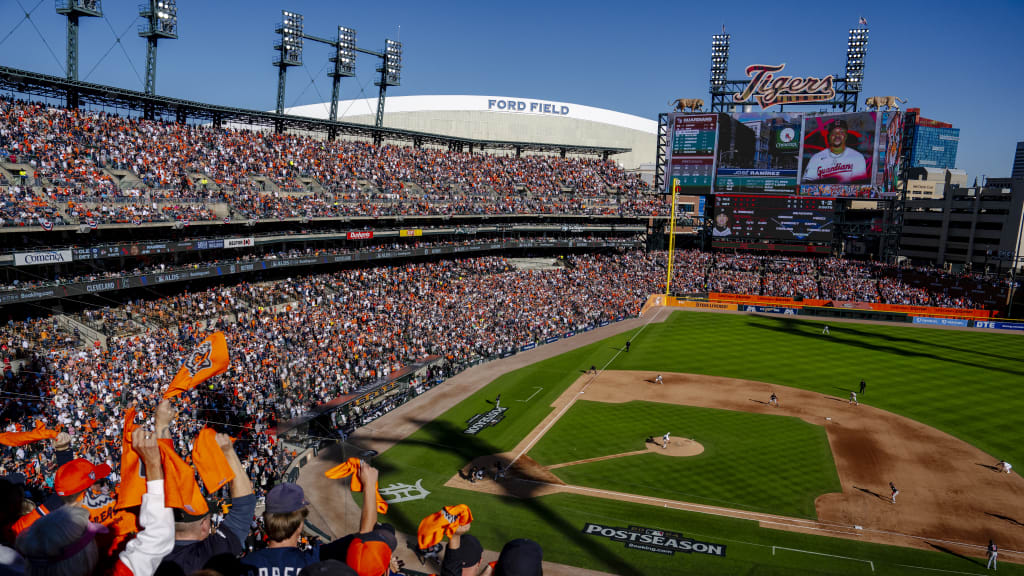
Do not translate that objective into a promise that every playoff game would start at night in your time zone. Different markets, travel needs and broadcast schedules still have to fit together. A game convenient for one coast may begin earlier for another. The eventual published schedule would be the useful answer, especially for anyone coordinating work, school or travel around a specific matchup.
More off-days could change pitching decisions
Extra rest days would also affect how managers consider their pitching options. The proposal includes additional pauses around the later, conditional League Championship Series games. That could create more opportunities for a starter to appear again, but an opportunity is not a promised start. Availability would still depend on the player's condition, previous workload and the team's decisions.
Imagine following a series in which the ace pitched Game 1. A longer calendar might leave another appearance more realistic than in a tighter sequence. The fan's next question would still be who is actually announced to pitch. Assuming the ace will return just because a rest day exists can lead to the wrong expectation, particularly when an injury or a long earlier outing changes the plan.
More room on the calendar also does not mean every listed date will contain a game. Later games remain conditional on neither club having clinched. A sweep could leave several possible game dates unused. When saving games to a calendar, distinguish a scheduled necessary game from an “if necessary” placeholder. For the postseason currently being played, use the MLB TV schedule to check the actual matchup, time and broadcaster rather than substituting the proposed future arrangement.
What fans should check before treating the proposal as a new rule
The next useful update would be an agreement or a revised proposal that changes a particular feature. A news story discussing why a shorter season might work is different from an announcement that establishes it. Keep the approval status attached to the explanation whenever sharing a headline with other fans. The word “proposed” carries more practical information than an exciting description of a new bracket.
When another update arrives, check these details in order:
- Agreement: Does the announcement describe an accepted change, or another position in negotiations?
- Effective season: Is the date attached to opponent selection, regular-season length, the Division Series or another feature?
- Competition rules: What exact step assigns an opponent, and how many wins finish each round?
- Published schedule: Are actual dates and start times available, including games marked “if necessary”?
- Your plans: Have the relevant club and broadcaster published the ticket sessions and viewing information you need?
These checks are especially useful because the package contains changes that could be understood independently. A 154-game season is a game-count decision. Monday rest is a weekly scheduling decision. A seven-game Division Series is a round-length decision. Choosing opponents is a matchup decision. Knowing one detail does not establish the other three, and accepting one in negotiations would not automatically tell fans every future first-pitch time.
Also distinguish the playing calendar from the transaction calendar. MLB has discussed changes to how offseason business might be organized, but free-agent signing windows are a separate topic from when regular-season games or playoff series are played. The offseason calendar proposal guide covers that discussion without combining it with the postseason bracket.
For now, the reliable answer remains straightforward: MLB proposed 154 regular-season games and longer Division Series beginning in 2029, alongside opponent selection proposed for 2027. Those dates describe the plan, not completed approval. Follow the current schedule for today's baseball, and use the eventual agreement and published fixtures to decide when any new arrangement actually changes your team's season.
Loading comments...