
Major League active rosters expanded from 26 players to 28 on September 1, 2026, giving every club one extra position-player spot and room for one additional pitcher. That modest change—not the old practice of putting nearly an entire 40-man roster in the dugout—is what powers today’s version of “September call-ups.” For contenders, the two places can supply a late-inning runner, a left-handed bat, catching insurance or another rested arm. For clubs looking toward 2027, they can provide a valuable first look at a prospect against major-league competition.
This guide combines two things fans usually have to find separately: an early tracker of the most notable 2026 promotions and a plain-English explanation of the roster rules behind them. The player snapshot is current through September 3, 2026; recalls and contract selections can continue throughout the month, so MLB’s official transaction log remains the final word on later moves. The rules portions explain why a player can be in an organization but unavailable for immediate recall, why a promotion may require another player to be designated for assignment, and why September arrival does not automatically settle postseason eligibility.
If terms such as Triple-A, option year and 40-man roster are unfamiliar, our guide to MLB farm-system levels and player movement supplies the larger development-path context. Here, the focus stays on the two expanded active-roster places and the decisions that matter during the final month.
What Changed When MLB Rosters Expanded on September 1?
The simplest answer is that every team moved from a standard 26-player active roster to a 28-player active roster. The normal maximum of 13 pitchers also rose to 14. Because the roster can contain no more than one additional pitcher, the expansion effectively creates space for at least one extra position player. A club might choose a third catcher, a utility defender, a fast runner, a platoon bat or a young everyday player it wants to evaluate.
The phrase “expanded roster” often causes confusion because September used to work very differently. Before the modern rule, a club could activate many more players from its 40-man roster after August ended. That produced crowded dugouts, unequal roster sizes and games in which managers could cycle through long chains of relievers or pinch-hitters. MLB eliminated that broad September activation system and replaced it with the uniform 28-player limit. In 2026, a team does not have 40 players available in that night’s game simply because the calendar says September.
It helps to separate two lists. The active roster contains the players eligible to appear in the game. The 40-man roster is the larger reserve list that protects players and generally supplies the pool from which active players are recalled. A player must hold a 40-man place before joining the active club unless the team first selects his contract and creates room for him. That distinction explains why some seemingly obvious prospects are not promoted: adding them may carry a cost beyond using one of the two active places.
The 28-player period lasts through the final day of the regular season. It does not carry into October. Postseason clubs submit a new 26-player roster for each series, so September’s extra depth helps teams reach the playoffs but does not guarantee either added player a postseason job. Think of September expansion as a controlled two-player reinforcement window, not as a month-long open invitation to the entire farm system.
The Notable 2026 September Call-Ups So Far
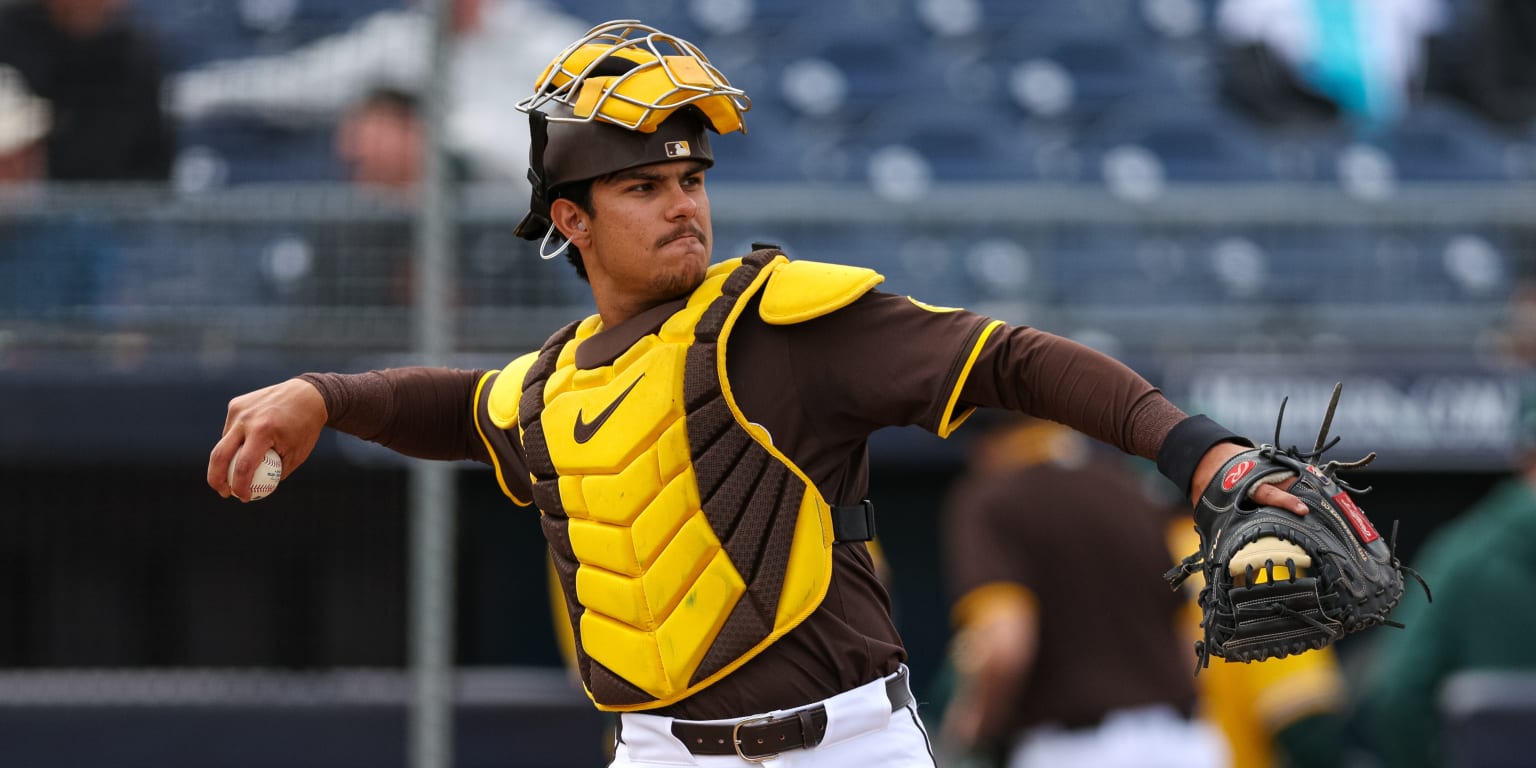
The most attention-grabbing Sept. 1 promotion was San Diego catcher Ethan Salas. MLB Pipeline ranked the 20-year-old No. 23 overall when the Padres called him up, and he arrived after batting .326 with a .949 OPS in 24 games at Triple-A El Paso. His immediate value was broader than “future starting catcher.” Injuries had reduced San Diego’s left-handed options, so Salas could supply a bench bat, cover designated hitter and allow the club to pinch-hit more aggressively while still retaining multiple catchers. His role illustrates why a famous prospect can arrive without immediately taking an everyday job.
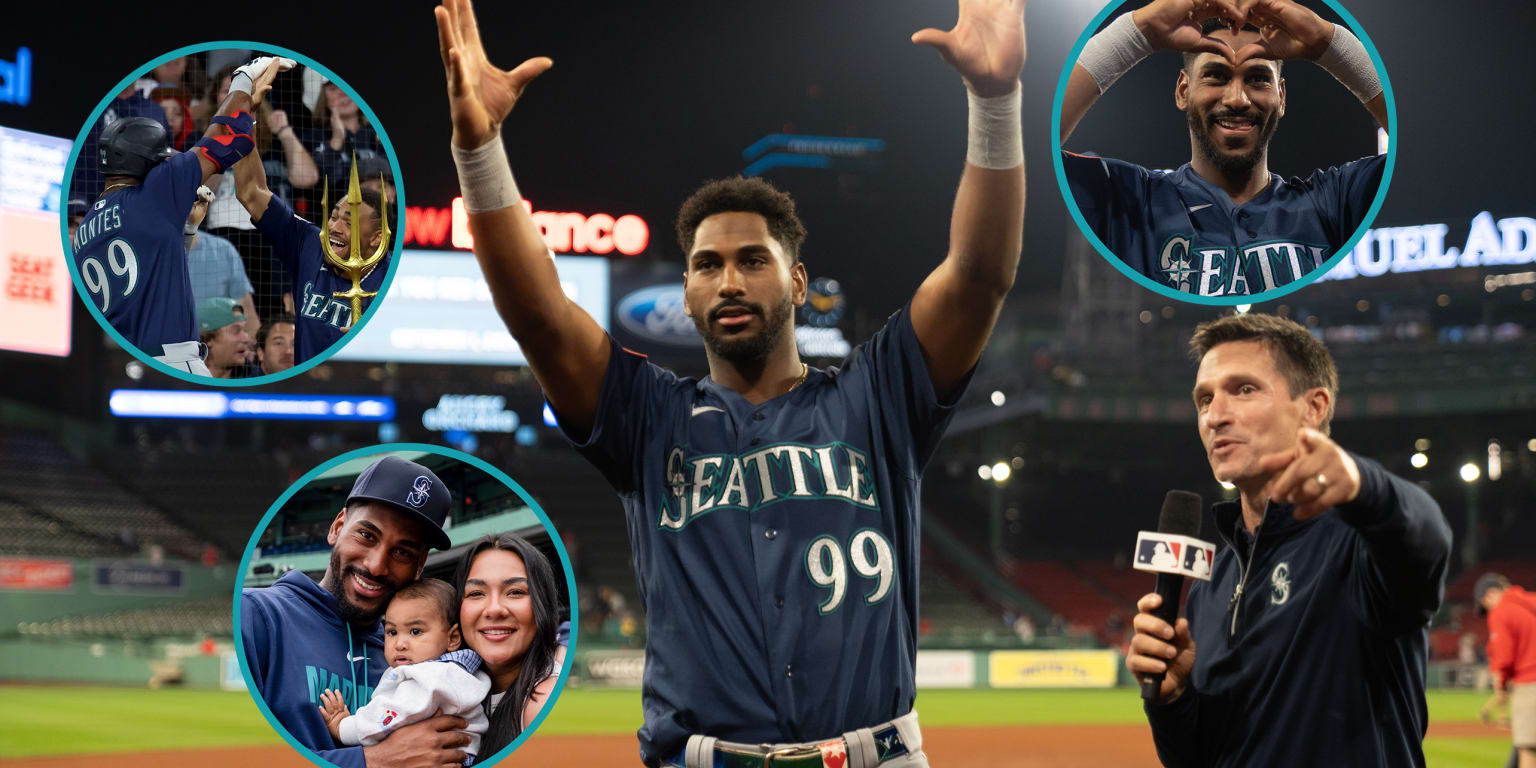
Seattle took a different approach with Lazaro Montes, selecting the 21-year-old’s contract and putting him straight into the lineup at designated hitter. Montes walked, singled and launched a Statcast-projected 407-foot home run in his major-league debut at Fenway Park. The Mariners said he would receive opportunities at DH and in right field. For fans, that is the key difference to watch: a promotion becomes more consequential when the club creates regular plate appearances rather than using the prospect only as a reserve.
St. Louis promoted catching prospect Leo Bernal with a development-oriented plan. The Cardinals indicated that the month was about exposing him to major-league preparation, communication and pressure while giving him meaningful playing time—not declaring his future based on a small September batting line. Washington likewise used its openings to select infielder Yohandy Morales and left-hander Jared Simpson. Morales brought 25 minor-league homers from his 2026 season, while Simpson had recorded a 2.30 ERA with 73 strikeouts in 58 2/3 innings between Double-A and Triple-A.
Walker Jenkins also belongs in the final-month conversation, but with an important label: Minnesota promoted him in late August, before the Sept. 1 expansion. Calling him a Sept. 1 transaction would be inaccurate. His arrival still shows how clubs may act before the formal expansion when an injury or immediate lineup need creates an opening.
This is a highlighted snapshot, not a claim that every one of the 30 clubs promoted a top prospect. Many teams used a spot on a returning veteran, a depth reliever or a player already familiar with the majors. Others left highly ranked prospects in the minors because of workload, development or 40-man considerations. Our 2026 MLB farm-system rankings can help frame where the deepest pipelines are, but a high system ranking does not obligate a club to make a splashy September call-up.
How the Active Roster and 40-Man Roster Work Together
A September opening on the 28-player roster solves only half of the transaction puzzle. The promoted player also needs a place on the 40-man roster. That larger list includes the active major leaguers, players on several MLB injured or leave lists, and protected minor leaguers. A prospect already on it can usually be recalled. A prospect who is not on it needs his contract selected, which adds him to the 40-man and may force a corresponding move.
Three common transaction paths explain most call-up announcements:
- Recall an optioned player: the player moves from the minors to the active roster while remaining on the 40-man list. This is the cleanest route when a club has an available active spot.
- Select a minor leaguer’s contract: the club adds a player who was outside the 40-man pool. If all 40 places are occupied, another place must be opened at the same time.
- Activate a player from the injured list: the returning player can fill one of the expanded active places, which is why not every September “addition” is a prospect.
Opening a 40-man place can have consequences. A club may transfer a player to the 60-day injured list, but the injured player must satisfy that minimum absence and will eventually need a place again if he returns. It can designate another player for assignment, immediately removing that contract from the 40-man; MLB rules then give the club seven days to trade the player or place him on outright or unconditional release waivers. A team can also trade or release a player. These are real costs, especially when the prospect is expected to play only a small September role.
Minor League options create another layer. An option permits a 40-man player to move to the minors without first clearing waivers. Most players receive three option years, and only one option year is consumed in a season regardless of multiple trips, although the current rules limit a player to five optional assignments during one season before a further demotion requires waivers. That is why “just call him up” is rarely as simple as using an empty chair in the dugout. Clubs must balance the immediate extra spot against 40-man protection, option flexibility and the risk of losing somebody else.
Why Contenders and Rebuilding Clubs Use the Extra Spots Differently
A contender usually asks a narrow question: which two additions can improve the club’s odds in the next four weeks? The answer may be less glamorous than promoting the highest-ranked prospect. A fresh reliever can protect an overworked bullpen. A third catcher lets the manager pinch-hit for a catcher without losing protection behind the plate. A versatile defender can close a tight game, while a fast runner can turn one late single into a scoring chance. San Diego’s initial plan for Salas—left-handed bench bat, DH option and catching coverage—shows how one player can unlock several in-game choices without becoming a regular starter.
Pitching plans are especially important because the roster can hold 14 pitchers in September. A contender may use the extra arm to move temporarily to a six-man rotation, cover innings after a short start or reduce back-to-back appearances for high-leverage relievers. The added position player, meanwhile, can make a postseason-style bench more flexible. Fans assessing a move should ask whether the player fills a real tactical gap, not simply where he appears on a top-100 list.
A rebuilding or fading club can emphasize development. Meaningful starts give coaches information about a hitter’s swing decisions, a catcher’s communication and a pitcher’s ability to execute against advanced lineups. The Cardinals framed Bernal’s promotion in those terms: give him a real taste of the preparation and pressure, allow him to play, and avoid treating a few weeks of results as a final verdict. Seattle’s plan to use Montes at DH and right field similarly offers a clearer learning opportunity than a handful of pinch-hit appearances.
That does not mean every top prospect should come up. A young starter may already be near an innings limit. A hitter may need regular minor-league at-bats more than sporadic major-league work, especially while his affiliate is still playing. A club may also want him to finish a development goal or avoid opening a 40-man place prematurely. The useful fan checklist is therefore short: Is there playing time? Is the player physically ready? Does his role match the club’s objective? What roster move is required? Those answers explain a September decision better than hype alone.
What a September Promotion Means for Rookie Status, Options and Service Time
Rookie eligibility, Major League service time and Minor League options are three different systems. They often appear together in call-up conversations, but one does not automatically determine the others.
For rookie eligibility, MLB uses three thresholds. A player remains a rookie unless, during previous major-league seasons, he exceeded 130 at-bats, 50 innings pitched or 45 days on an active MLB roster, excluding time on the injured list for that day-count test. Crossing any one of those limits can remove rookie status for the following season. At-bats are not the same as plate appearances, and the thresholds refer to accumulated major-league experience rather than a single September box score.
An important modern change is that September active-roster days count toward the 45-day threshold. Older articles may say those days are excluded because that was true during the era of much larger September rosters. MLB retained the new treatment after broad expansion ended. In 2026, however, a player making his first appearance on Sept. 1 cannot reach more than 45 active days from the remaining regular-season calendar alone, which ends Sept. 27. He could still exceed the at-bat or innings limit, or combine September time with experience from a previous season.
Service time follows its own daily clock. A player earns one day for each day on the active roster or a Major League injured list, and 172 days count as one full year of service. September service can therefore matter to future arbitration and free-agency timing even when the player keeps rookie status. The two measurements overlap, but they are not interchangeable: injured-list time earns service yet is excluded from the rookie rule’s 45-active-day calculation.
Options govern movement, not awards eligibility. When a 40-man player with an option available is sent to the minors, he can avoid waivers. A player generally receives three option years, and a season normally uses one option year after he spends at least 20 days on optional assignment, no matter how many permissible up-and-down moves occur. Fans should be cautious about assigning a single motive to a September decision. Playing time, health, roster space, postseason needs and development can matter alongside all three clocks.
Can a September Call-Up Play in the 2026 Postseason?
Yes, but the call-up date alone does not answer the question. MLB’s basic 2026 eligibility pool includes players who were on the club’s 40-man roster before Sept. 1 and players who were on its 60-day injured list entering September. A qualifying player does not have to spend the entire month on the active roster. The critical issue is his status at the deadline, followed by the club’s decision when it builds a roster for a particular round.
There is also a useful exception. A minor leaguer who was in the organization by Aug. 31 but was not on the 40-man roster can still reach a postseason roster as an approved injury replacement. The club must petition the Commissioner’s Office, and the player must replace an injured player who has completed the minimum time required for activation—such as 10 days for a position player on the 10-day IL or 60 days for somebody on the 60-day IL. That is why “not on the 40-man before September” does not always mean “no October chance.” It does mean the route is conditional rather than automatic.
Two categories cannot use that path. A player who joined the organization after Aug. 31—through a September signing or waiver claim, for example—is ineligible for that club’s postseason roster. A player suspended for performance-enhancing drugs during the season is also ineligible. Those restrictions prevent a team from treating September as a late postseason acquisition period.
Once October begins, a club carries 26 players for each postseason series, not September’s 28. It submits a roster before each round and may change the group before the next round. If an eligible player is injured during a series, the club can request a replacement, but the removed player is barred for the rest of that round and the following round; a pitcher must be replaced by a pitcher and a position player by a position player.
So a September prospect’s October outlook has three tests: Was he in the organization by Aug. 31? Was he already in the standard eligible pool or does he need an injury-replacement petition? Does the club actually choose him for the 26-player series roster? For the round dates and bracket structure, use our 2026 MLB playoff schedule and bracket guide; eligibility can change without changing the published schedule.
How to Follow Call-Ups and the Games They Could Affect
A promotion report is only the start of the story. Use a simple three-step check to find out whether the player can actually affect the game you plan to watch.
- Confirm the transaction. MLB’s official transactions page records recalls, contract selections, options, injured-list moves and designations for assignment. A credible report that a club “plans to call up” a prospect is not the same as a completed move. Look for the dated transaction and its corresponding roster action.
- Check the expected role. Read the club’s announcement or beat report, then check the lineup near game time. “Active” means eligible to play; it does not guarantee a start. Catchers and relievers may have especially irregular usage, while a DH or everyday defender can have a clearer route to immediate plate appearances.
- Find the game and broadcast. Our MLB games today page is the quickest route to the day’s matchups and status. Once you know the game, use the MLB TV schedule to check the listed network. A roster move does not change local blackout rules or create a free stream, so verify the available platform rather than relying on an old social post.
For prospect debuts, the batting order or probable-pitcher information is more useful than the mere call-up headline. A position player listed ninth can still receive three or four plate appearances; a bench prospect may appear only in a late matchup. A newly recalled pitcher may be held for length behind a starter instead of working the next save chance. Follow the club’s game notes and lineup announcement before making assumptions about usage.
The early 2026 group already demonstrates the range of outcomes: Montes went directly into Seattle’s lineup and homered, Salas arrived as a flexible catching and left-handed-bat option, and other clubs used expansion on experienced depth. We will treat future additions the same way—only completed transactions belong in the tracker, and roles should be updated from first-party reporting rather than inferred from prospect reputation.
That approach keeps September call-ups in perspective. The extra two active places can change a close game and introduce a future star, but they remain pieces of a larger roster plan. Confirm the move, understand the opportunity, and then follow the schedule to see when the player actually gets his chance.
Loading comments...