
What does it mean to own an MLB team?
MLB’s 30 teams are held by family groups, private partnerships and companies. Some have one owner whose name most fans recognize. Others have a lead investor and several partners, or a public-company parent with its own stockholders. This list shows who owns or leads each group as documented through November 27, 2026. Each row gives the title the team, league or owner has disclosed. It identifies the designated control person wherever the public record supports that label.
The ownership group is the set of people or entities holding the club’s ownership interest. A group can have a principal owner who bought or inherited a substantial interest and serves as its public leader. Team profiles use terms such as principal owner, managing general partner and chairman. Take each title on its own terms. A chair can oversee the organization and speak for its owners, while the public description of that role may leave the size of the chair’s stake unspecified.
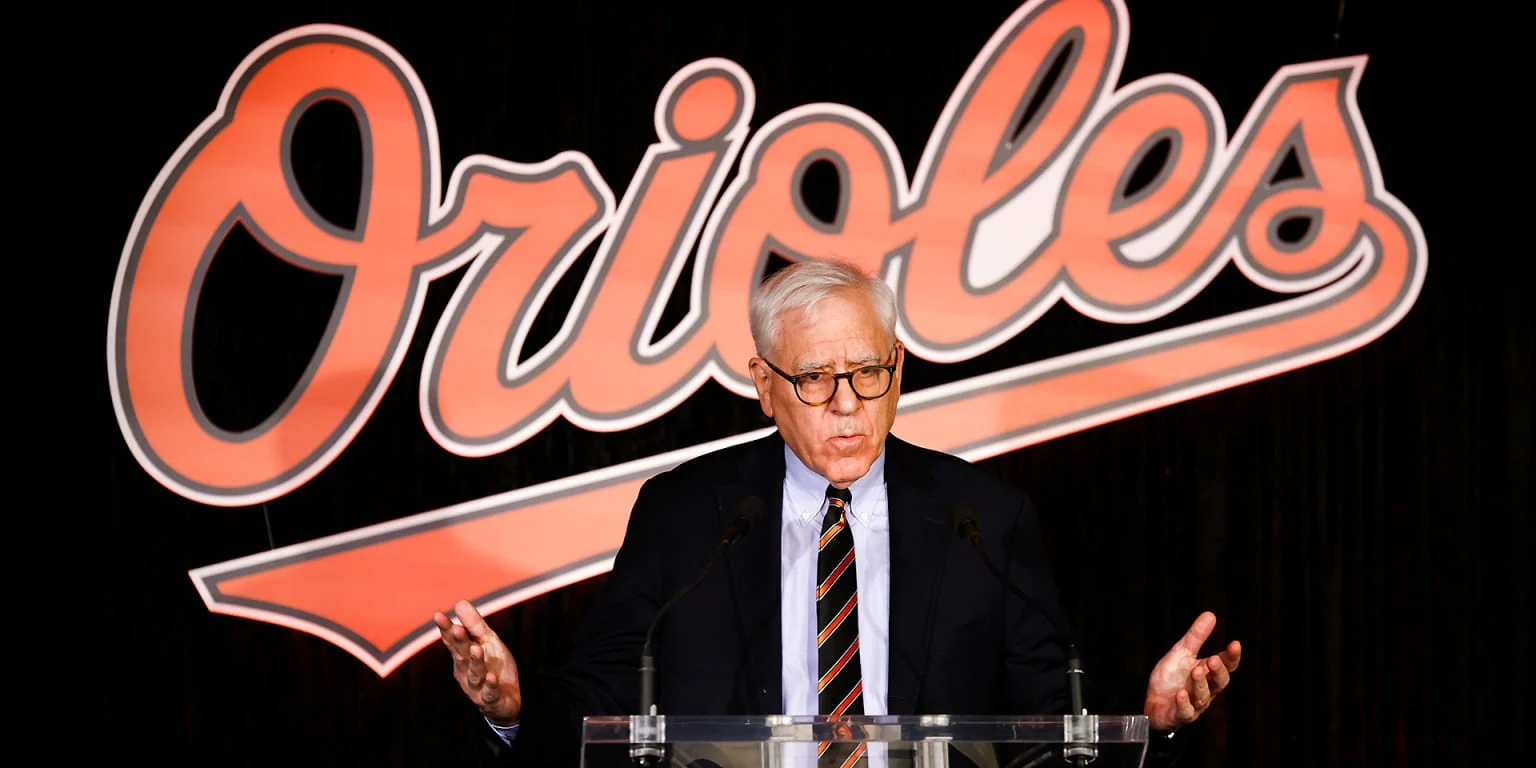
The control person is an individual designated under MLB’s rules to be accountable to the league for the club and its compliance. A Braves corporate filing describes the position as carrying ultimate authority and responsibility for club decisions. That differs from the general manager’s work of setting the roster, and from ownership by the partnership as a whole. MLB’s Orioles approval notice identifies David Rubenstein as the control person and describes the partnership he leads. The notice is a better source for who represents the club than a headline with a list of all the investors.
There is also the club’s operating entity. The name in the fine print on a ticket, in a legal record or on a corporate filing can identify the business conducting club operations. A parent company or a group of individuals can own that entity. For a fan looking up the owner, the most informative answer often gives both layers. Follow the source in the row before using a title as a synonym for voting control. The clubs are grouped by league and division, in the same order as the MLB team directory.
American League ownership by division
In the American League, a lookup can lead to a family name, a private ownership group or a corporate parent. The role column tells you whose title is on the public record. A named owner may have partners, and the club may employ several executives with the authority to manage different parts of the business. That is especially useful context when reading a team statement about a new front-office hire.
AL East
| Club | Ownership | Publicly documented role |
|---|---|---|
| Baltimore Orioles | David Rubenstein-led partnership | David Rubenstein, MLB-approved control person. Source |
| Boston Red Sox | Fenway Sports Group | John W. Henry, principal owner and control person. Source |
| New York Yankees | Steinbrenner family-led partnership | Hal Steinbrenner, managing general partner and chairperson. Source |
| Tampa Bay Rays | Patrick Zalupski-led ownership group | Patrick Zalupski, MLB control person and co-chair. Source |
| Toronto Blue Jays | Rogers Communications Inc., through Blue Jays Holdco and subsidiaries | Edward Rogers, club chair and Rogers executive chair. Source |
Tampa Bay is one of the clearest examples of titles doing separate work. Patrick Zalupski led the group that closed the purchase in September 2025. The Rays directory identifies Bill Cosgrove as co-chair alongside Zalupski and Ken Babby as chief executive officer. MLB’s confirmation names Zalupski as the control person. A fan looking for the league representative needs that last piece of evidence even though all three names appear near the top of the team directory.
For Toronto, start with the company. Rogers’ corporate ownership chart puts the Blue Jays under its corporate structure through Blue Jays Holdco and subsidiaries. Edward Rogers is both the Jays’ chair and the parent company’s executive chair. That is different from describing him as personally owning all of the team’s equity. Toronto still plays its regular-season schedule as an American League East club. You can use the Blue Jays team schedule for the games and the corporate disclosure to understand the ownership.
AL Central
| Club | Ownership | Publicly documented role |
|---|---|---|
| Chicago White Sox | Reinsdorf family controlling interest, with limited partners | Jerry Reinsdorf, chairman. Justin Ishbia is a limited partner with a possible future path to control. Source |
| Cleveland Guardians | Dolan family-led group, with David Blitzer-led minority investment | Paul Dolan, owner, chairman, CEO and MLB-approved control person. Source |
| Detroit Tigers | Ilitch family | Christopher Ilitch, club chairman and CEO in the ownership directory. Source |
| Kansas City Royals | John Sherman-led ownership group | John Sherman, chairman and CEO. Source |
| Minnesota Twins | Pohlad family majority ownership, with limited partners | Tom Pohlad, chairman and CEO. Public sources differ on the control-person listing. Source |
The White Sox framework illustrates a future transaction with a current investment. The club says Justin Ishbia is contributing capital as a limited partner under the announced arrangement. The existing Reinsdorf family controlling interest continues, and the agreement puts any control transfer no earlier than 2029. In Cleveland, bringing in a Blitzer-led minority group likewise did not by itself change the role the league approved for Paul Dolan.
Minnesota shows why both the official title and the date of a succession announcement matter. The Pohlad family retained majority ownership while bringing in limited partners. The club’s announcement said Tom Pohlad was expected to take over the control-person role from Jim pending approval. Later reporting refers to Tom as holding that role, while the team directory reviewed for this guide still lists Jim as Control Owner beside Tom as chairman and CEO. The family ownership and Tom’s operating role are clear. The public discrepancy remains useful to know when comparing current lists.
AL West
| Club | Ownership | Publicly documented role |
|---|---|---|
| Athletics | John Fisher-led ownership | John Fisher, owner and managing partner. Source |
| Houston Astros | Jim Crane-led ownership group | Jim Crane, owner and chairman. Source |
| Los Angeles Angels | Moreno family, with a sale agreement pending | Arte Moreno, owner. Kroenke Sports & Entertainment’s announced acquisition of control was awaiting approval. Source |
| Seattle Mariners | First Avenue Entertainment LLLP | John Stanton, designated MLB control person. Source |
| Texas Rangers | Ray Davis-led group | Ray C. Davis, managing partner, majority owner and MLB-approved control person. Source |
For the Angels, a signed sale agreement and an effective transfer are separate events. The September announcement described a proposed controlling-interest transfer from the Moreno family to Kroenke Sports & Entertainment and anticipated completion in the first quarter of 2027, subject to approval. November club coverage still described approval as a step ahead. Look for a league vote and a closing notice when the status changes.
The Athletics’ situation illustrates another distinction. A relocation announcement identifies where games are intended to be played and can carry the name of the managing partner. The move itself need not change the owner. With Seattle and Texas, the sources go further in identifying who serves as the designated representative. When the available source gives only an executive title, the table keeps that language so the reader can see the strength of the evidence.
National League ownership by division
The National League includes a publicly traded parent, multigenerational family ownership and several partnerships with a named lead investor. Start with the ownership column for who holds the club, then check the role column for the person identified by the organization or league. Recent changes make the distinction especially visible in Cincinnati, St. Louis, Colorado and San Diego.
NL East
| Club | Ownership | Publicly documented role |
|---|---|---|
| Atlanta Braves | Atlanta Braves Holdings, Inc., through Braves Holdings, LLC | Terry McGuirk, club chairman and MLB control person. Source |
| Miami Marlins | Bruce Sherman-led ownership group | Bruce Sherman, chairman, principal owner and control person. Source |
| New York Mets | Cohen-led ownership group | Steve Cohen, club owner, chairman, CEO and MLB-approved control person. The club also lists Alexandra Cohen as owner. Source |
| Philadelphia Phillies | Middleton, Buck, Middleman and other families in the club partnership | John Middleton, managing partner, CEO and MLB control person. Source |
| Washington Nationals | Lerner family ownership group | Mark D. Lerner, managing principal owner and MLB-approved control person. Source |
Atlanta’s corporate filings make a useful starting point for readers familiar with the Braves’ stock. There are several share classes with different voting rights. Those shares sit in the parent company’s structure, while the filing explicitly names Terry McGuirk as the control person for the baseball club. The largest shareholder by voting power and the person who represents the Braves in MLB affairs answer different ownership questions. Before using a corporate chart to name a club representative, see whether the filing identifies that role on its own.
Philadelphia publishes a list of families holding ownership interests, alongside its executive directory. The club said that bringing in new investors left Middleton in the control-person role. In New York, the league’s approval release names Steve Cohen, while the current Mets directory identifies both Steve and Alexandra Cohen in ownership. Those documents tell you different things about the same club. The league release establishes the designated role, and the directory records the broader ownership leadership.
NL Central
| Club | Ownership | Publicly documented role |
|---|---|---|
| Chicago Cubs | Ricketts family-led ownership | Tom Ricketts, club chairman. Source |
| Cincinnati Reds | Bob Castellini-led ownership group | Bob Castellini, principal owner. Phil Castellini, president, CEO and control person since February 2026. Source |
| Milwaukee Brewers | Mark Attanasio-led ownership group | Mark Attanasio, chairman and principal owner. Source |
| Pittsburgh Pirates | Bob Nutting-led ownership | Bob Nutting, principal owner and chairman. Source |
| St. Louis Cardinals | DeWitt family controlling interest | Bill DeWitt Jr., chairman and principal owner. Bill DeWitt III became CEO in June 2026. Source |
For the Reds, the most useful update came from an October 2026 club story. It says Phil Castellini took over as control person in February, representing the team at MLB owners’ meetings. Bob Castellini remained the owner identified in that account. Earlier club announcements still explain what each leader was doing at the time, but a current directory needs the newer description of league representation. A fan who searches only for the owner’s name can miss the change even without a sale.
St. Louis announced a different kind of succession in June. Bill DeWitt III became CEO, expanding his responsibility for baseball and business operations, while Bill DeWitt Jr. kept his chairman and principal owner titles. The club stated the split in the same announcement. In the Cubs’ case, the ownership history gives the Ricketts family name, while the current directory places Tom Ricketts at the head of the board. A last name alone would leave both clubs’ role distinctions unclear.
NL West
| Club | Ownership | Publicly documented role |
|---|---|---|
| Arizona Diamondbacks | Ken Kendrick-led partnership | Ken Kendrick, managing general partner. The club identifies him as its representative at owners’ meetings. Source |
| Colorado Rockies | Monfort family majority, with Penner Sports Group and other minority owners | Dick Monfort, owner, chairman and CEO. Charlie Monfort, owner and general partner. Source |
| Los Angeles Dodgers | Guggenheim Baseball Management | Mark Walter, controlling owner, chairman and MLB control person. Source |
| San Diego Padres | Kwanza Jones and José E. Feliciano-led group | Jones and Feliciano are principal owners. José E. Feliciano is the control person. Source |
| San Francisco Giants | San Francisco Baseball Associates | Greg Johnson, board chairman and MLB control person. Source |
The Rockies added Penner Sports Group as a minority partner in April 2026. The club says the Monfort family kept majority ownership. It also says Walker Monfort runs day-to-day operations as team president, with Dick and Charlie in their existing positions. That is a case where the investor list and the day-to-day leadership can change through separate steps. A Denver fan can follow both without having to infer that one event transferred control.
In the same division, the San Diego transaction did bring a new group to the top of the organization. The team lists two principal owners and gives the control-person title to Feliciano. The Giants’ records show Greg Johnson’s role while the organization lists several principal partners separately. Whether a club changes hands or adds investors, read the role alongside the ownership name. It is possible for the answers to differ even among teams that share a division.
What happens when ownership changes?
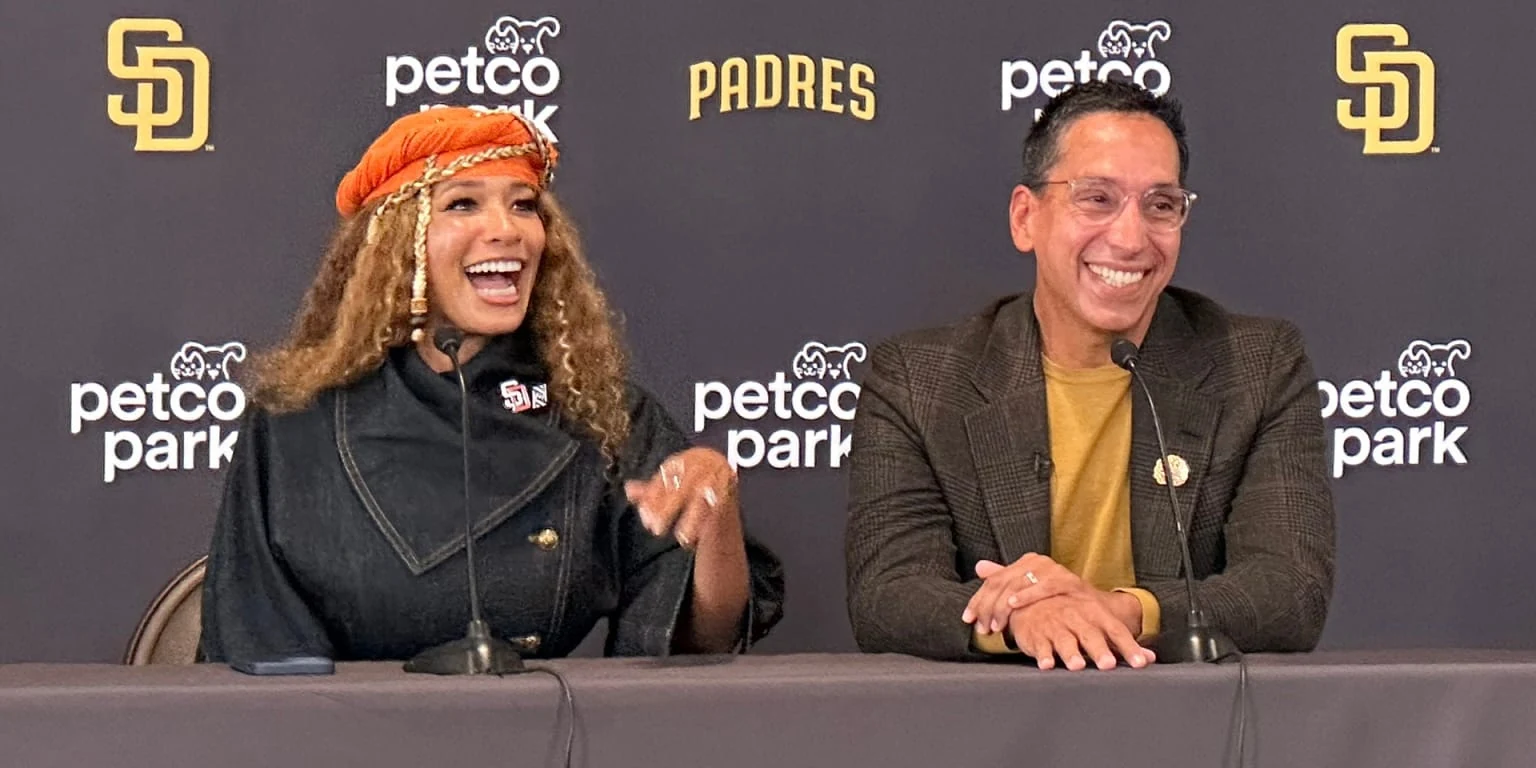
The Padres’ 2026 sale gives you three useful dates to look for in any change of control. In May, the club published the agreement to transfer control from the Seidler family to the group led by Kwanza Jones and José E. Feliciano. The release identified the participants and set out that the deal still needed league approval and standard closing conditions. That was the right point to say who was buying the club, while leaving the effective label for a later update.
On August 17, MLB announced the approval and named Feliciano as the control person. The report of the new group’s introduction on August 24 confirmed that the sale had since been completed. The club’s current directory names both Jones and Feliciano as principal owners, with the control-person title assigned to Feliciano. The formal label answers who represents the club to the league. The two names together answer who leads the new ownership group.
Compare that with Colorado’s deal in the spring. MLB approved an ownership investment by Penner Sports Group, and the Rockies described it as their largest minority owner. A headline saying the owners of the Denver Broncos joined the Rockies’ ownership would accurately describe the deal. A headline saying the team had passed from the Monfort family to the Penners would go further than the club’s update. The size and type of interest transferred matter even when both stories have a league approval date.
Fans may also want to know what happens on the field when a deal closes. The owner can appoint leadership and guide the organization over time. When an owner introduces a group at the ballpark or describes a plan for roster investment, check for later club announcements before expecting a specific hire, signing or policy. The Padres schedule answers a simpler immediate question about the next game at Petco Park. The ownership page tells you who is responsible for steering the organization that plays there.
How to check an owner’s role when a new report appears
Start with the date and the verb in the announcement. A group might be exploring a purchase, signing an agreement, receiving approval, completing a purchase or adding a limited partner. A team can also appoint a new executive within the same group. Those events answer separate questions. If a report says a buyer is expected to take over after an upcoming vote, search the league newsroom and team releases again for the vote and completion before updating your own notes.
Next, open the club’s current front-office page. Look at who is listed under ownership and who appears under baseball or business operations. If a league notice names one designated individual, record that title next to the date. If the club uses chairman or principal owner without publishing a designation, carry the known title forward. When the first report and the current club page differ, check for an approval release rather than combining their labels. A dated league notice can settle a question that a lingering profile still leaves confusing.
If a filing lists a corporate name, identify what that business actually does. An operating partnership can be named on leases, licenses and court documents. A stadium can have its own owner and a sponsor whose name appears outside. Those names are clues to structure and contracts. For example, a headline about a stadium’s naming partner tells you who bought the naming rights. It does not tell you who acquired voting rights in the baseball club. The franchise timelines can help place an old club name or city on the right record.
Finally, decide whether you need a team budget answer. Ownership groups may finance the club in different ways, but a sale value describes the business interest, and individual contracts describe obligations to players. MLB also uses a separate payroll measure for its competitive balance tax. A new partner does not reveal a club’s plans for a specific free agent. To follow spending, compare the front office’s official moves and the actual contract terms using the player salary guide. To follow governance, use the person or group named in the most recent official ownership record.
Loading comments...