
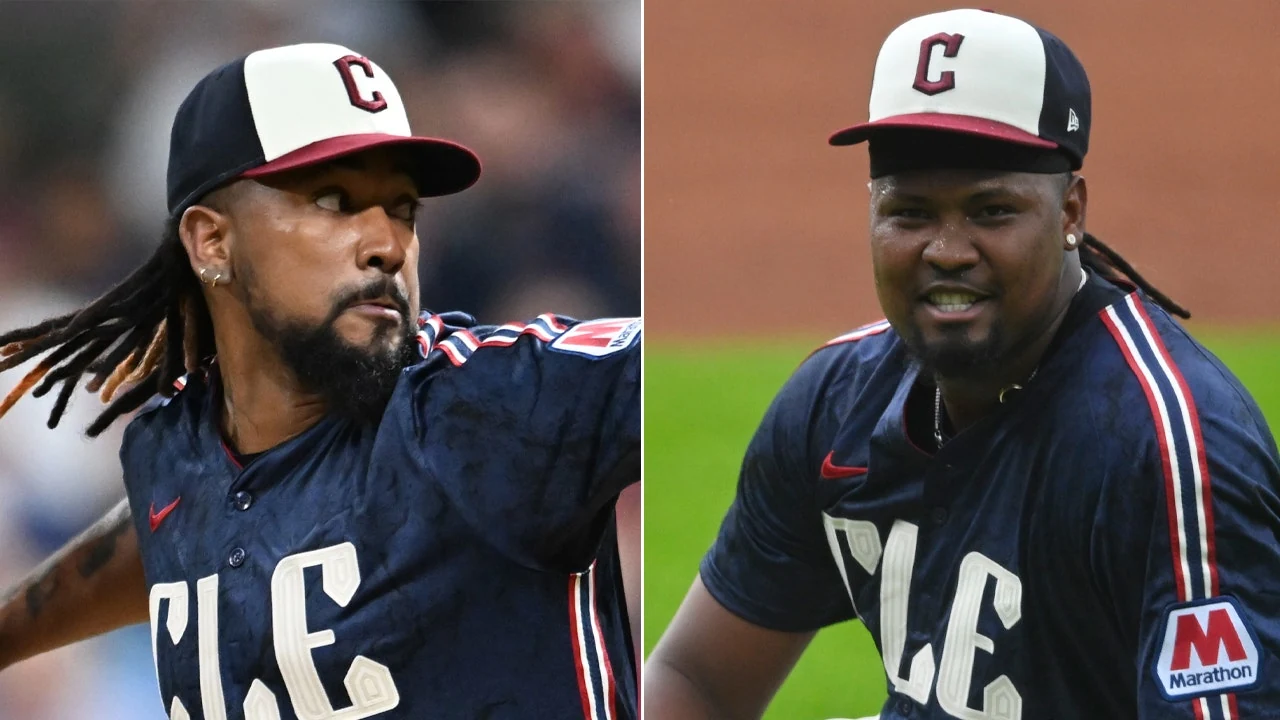
MLB Pitch-Betting Controversy: What Is Confirmed Now
Updated September 20, 2026: Major League Baseball's pitch-betting controversy involves three related but legally distinct developments.
- Federal case: prosecutors have charged Cleveland pitchers Emmanuel Clase and Luis Ortiz with offenses tied to an alleged scheme in which inside information about individual pitches was supplied to bettors. Both men have pleaded not guilty. The claims remain allegations, and the defendants are presumed innocent unless proved guilty.
- Adopted market limits: MLB and participating sportsbook partners imposed a $200 cap on pitch-level wagers and removed those wagers from parlays in November 2025.
- Player-safety response: MLB, the MLB Players Association and other leagues and unions asked state regulators in September 2026 for uniform consequences against bettors who threaten or abusively harass players, families and other game personnel.
A new court filing reported on September 19 says prosecutors intend to focus on 18 Clase pitches across 17 games, plus two pitches allegedly associated with Ortiz. Jury selection was reported as scheduled for November. That filing states what the government plans to try to prove; it is not a verdict.
MLB has not banned every individual-player prop. The MLBPA reportedly proposed a broader ban during collective bargaining, but the adopted league-partner safeguard is narrower and applies to pitch-level microbets. Understanding that difference is essential to reading the story accurately.
Why Pitch-Level Microbets Create an Integrity Risk
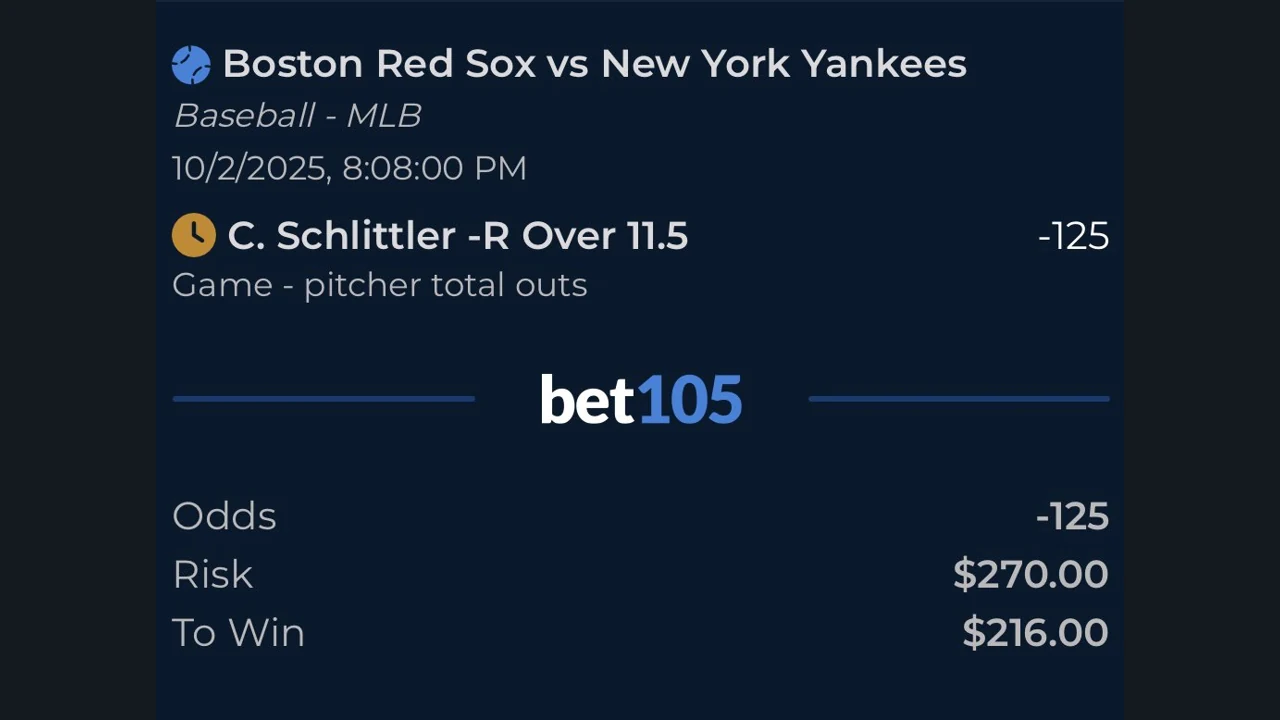
A proposition bet is settled by a specific event rather than only the final winner or score. Player props can cover a full-game statistic, such as strikeouts or hits. A microbet narrows the event further—sometimes to one pitch.
One Pitch Can Settle the Wager
Pitch-level menus may ask whether the next delivery will be a ball or strike, how fast it will travel, or which pitch type will be thrown. The result is known within seconds. A normal strikeout prop unfolds across several innings and involves hitters, fielders, an umpire and many pitches. A next-pitch market can be determined by the action of one pitcher and, depending on the wager, an umpire's call.
That concentration is the core concern. Someone with advance, nonpublic knowledge of the next pitch could hold a powerful information advantage even if the broader game remains competitive. The rapid settlement also allows repeated wagering opportunities within one game.
A Small Event May Not Change the Final Score
MLB's policy announcement highlights another vulnerability: a pitch can settle a wager while having little effect on who wins. A ball thrown well outside the zone with the bases empty might look like an ordinary miss inside a 150-pitch game. Manipulating a final score is more likely to require repeated, visible failures; influencing one isolated event may be easier to hide among baseball's normal variation.
Federal prosecutors allege that selected pitches in the Clase and Ortiz case were coordinated in advance and that some were intentionally thrown as balls. Those are government allegations that must be tested in court. A wild pitch, a velocity dip or unexpected pitch selection is not proof of misconduct. Pitchers miss targets for countless legitimate competitive, physical and strategic reasons.
Integrity monitoring therefore looks for patterns that ordinary viewers cannot establish from one clip: unusual betting volume, linked accounts, timing, communications and repeated correlations. The market design raises risk; it does not make every losing prop evidence of a crime.
What Prosecutors Allege in the Clase and Ortiz Case
The federal case is pending in the Eastern District of New York. Its facts should be described as the government's allegations unless they are admitted or proved at trial.
The November 2025 Indictment
The Department of Justice announced on November 9, 2025, that an indictment charged Clase and Ortiz with wire fraud conspiracy, honest-services wire fraud conspiracy, conspiracy to influence sporting contests by bribery and money laundering conspiracy. Prosecutors alleged that bettors received advance information about specific pitches and placed online wagers before those pitches were thrown.
According to the indictment summary, the alleged Clase-related conduct began around May 2023. Prosecutors said he provided pitch information, sometimes helped fund wagers and received bribes or kickbacks. They claimed associated bettors won at least $400,000. The government alleged Ortiz joined the scheme around June 2025 and agreed to throw balls on designated pitches in two games, producing at least $60,000 in bettor winnings. These dollar figures are allegations in the charging case, not judicial findings.
The September 2026 List of Pitches
Court documents reported by ESPN on September 19, 2026, sharpened what prosecutors plan to present. The government identified 18 Clase pitches from 17 games between May 19, 2023, and May 28, 2025. The list includes a pitch from the ninth inning of an October 5, 2024 American League Division Series game. Prosecutors also allege that Ortiz supplied advance information about two pitches.
The inclusion of a postseason pitch raises the emotional temperature, but it does not change the legal standard. The Guardians won that referenced game 7-0, and the allegation concerns advance information tied to the pitch-level wager. Readers unfamiliar with where the Division Series falls can use the MLB playoff format guide for context; the outcome of the criminal allegations belongs to the court.
The Defendants Have Pleaded Not Guilty
Clase, Ortiz and two other defendants face charges in the case, and ESPN reports that they have pleaded not guilty. Jury selection is scheduled for November. A charging document tells the government's side and establishes accusations sufficient to bring a case; it does not establish guilt.
That distinction should remain visible in every update. “Prosecutors identified” means the government listed evidence it intends to use. “Allegedly rigged” means the conduct is disputed and unproved. If the trial schedule, pleas or court rulings change, this article will need a dated revision rather than a silent rewrite of the procedural history.
What MLB Changed for Pitch-Level Wagers
MLB did not wait for a criminal verdict to redesign the narrow market it viewed as especially vulnerable. On November 10, 2025, the league announced immediate safeguards agreed with its sportsbook partners.
A $200 Cap and No Pitch Bets in Parlays
The adopted rules cap a pitch-level wager at $200 and prevent pitch markets from being included in parlays. Both parts matter. The cap reduces the amount that can be staked on one isolated event. Removing the market from parlays prevents a bettor from combining several pitch outcomes into a much larger potential payout or using combinations to work around the spirit of the limit.
The rules target markets such as ball versus strike or pitch velocity. They do not abolish full-game moneylines, team totals or every player performance prop. Headlines that say “MLB capped prop bets” can therefore be too broad; MLB's official announcement specifically describes pitch-level markets.
Broad Market Coverage Is Not the Same as a Federal Ban
MLB said the participating operators represented more than 98% of the U.S. betting market. That is wide commercial reach, but it is not the same as Congress passing a nationwide law. Sports betting is regulated mainly at the state level, and operator offerings differ by jurisdiction.
The safeguards apply through MLB's relationships with regulated sportsbook partners. An unlicensed or offshore market does not become compliant merely because MLB announced a rule. That limitation is one reason the league emphasizes regulated-market transparency: licensed operators can monitor unusual action, identify accounts and share information under applicable rules. Unregulated betting can be harder to observe and police.
For fans, the practical takeaway is not to audit every sportsbook. It is to understand the scope: MLB and major partners materially reduced the payout potential for pitch microbets, but they did not make all baseball wagering disappear.
MLB Rule 21 and the Difference Between League and Criminal Cases
Baseball's internal rules and federal criminal law operate on separate tracks. A court decides criminal charges under statutes and constitutional procedure. MLB determines eligibility and discipline under league rules and collective-bargaining processes. One track can move while the other remains unresolved.
Betting on a Game in Which You Have a Duty Carries the Harshest Rule
Major League Rule 21 says that a player, umpire, club official or league employee who bets any amount on a baseball game in connection with which that person has a duty to perform shall be declared permanently ineligible. Betting on a baseball game in which the person has no duty carries a one-year ineligibility rule. MLB's sports-betting policy also prohibits baseball personnel from asking someone else to place bets for them, financially benefiting from another person's baseball bets or helping with those wagers.
Those rules explain why allegations of advance pitch information strike at the center of competitive integrity. They do not, by themselves, decide this case. MLB must complete its process and apply the facts it finds; the federal jury must separately evaluate the criminal charges. This article does not predict either outcome.
Administrative Leave Is Not a Finding of Guilt
In March 2026, MLB and the MLBPA announced that Clase and Ortiz would remain on non-disciplinary leave without pay until further notice while legal proceedings continued. Their joint statement explicitly said the arrangement was not an admission of wrongdoing. The players had originally been placed on non-disciplinary paid leave during MLB's 2025 investigation.
Leave keeps the players away from competition while a serious matter is unresolved; it is not the same as a suspension imposed after a violation finding. Likewise, an indictment is not league discipline. Future court rulings and MLB findings may affect status, but readers should not turn an interim roster condition into a verdict.
Why Player Harassment Is Now Part of the Betting Debate
Game manipulation and bettor harassment are different harms. The first threatens whether the competition is honest. The second threatens the people playing, coaching and officiating even when the competition is completely honest.
Players Describe Threats After Losing Bets
Players increasingly describe angry messages that frame an ordinary strikeout, blown save or hitless game as money personally stolen from a bettor. In 2025, the Associated Press reported that Astros pitcher Lance McCullers Jr. and his family received online death threats, including messages aimed at his young daughter. That episode required extra security and showed how quickly a lost wager can move beyond criticism of performance.
A 2026 report summarizing an anonymous survey by The Athletic said 81 of 100 MLB players surveyed had been confronted by bettors over performance. A sample of 100 is not every major leaguer, but the result supports the leagues' description of a widespread problem. Prop bets can intensify blame because the wager names one player's statistic, even though baseball results depend on teammates, opponents, umpires, weather and chance.
Leagues and Unions Want Abusive Bettors Removed
On September 15, 2026, the AP reported that MLB, the MLBPA and their counterparts in four other major leagues jointly asked gambling regulators in 35 states and Washington, D.C., for uniform protections. The request calls for betting privileges to be permanently revoked when a person is verified to have threatened or abusively harassed an athlete, coach, official, team employee or family member.
The coalition also seeks consistent reporting and enforcement across operators. An account ban at one sportsbook has limited effect if the same person can immediately move to another. The proposal aims to create a consequence inside the regulated betting system while preserving referral to law enforcement when a threat may be criminal.
The MLBPA Proposed a Broader Player-Prop Ban
ESPN reported in June that the players' union proposed a joint effort with MLB to prohibit all props centered on individual players. The reported proposal reaches beyond next-pitch wagers to familiar full-game outcomes such as a player's home runs, hits or strikeouts, and it would include sportsbook, daily-fantasy and prediction-market products.
That proposal had not become the league's rule as of this update. MLB said it would respond in bargaining. The distinction matters: the current $200 pitch cap addresses a narrow market's manipulability; the union's broader idea also responds to the way individual props direct losing bettors' anger at named athletes.
What the Current Safeguards Can and Cannot Do
Lower Limits Reduce the Potential Payout
A $200 ceiling and parlay exclusion change the economics of a pitch microbet. The maximum legal-partner stake is smaller, and the pitch cannot become one leg in a high-payout combination. That reduces the reward available from advance information and makes coordinated misconduct less attractive at participating books.
It does not make an integrity breach impossible. Someone could seek several accounts, unlicensed markets or noncash benefits, while a corrupt relationship may involve motives beyond the permitted wager size. The safeguard should be assessed as risk reduction, not a mathematical guarantee.
Monitoring and Regulated Data Still Matter
MLB argues that regulated betting provides transparency and data access. Licensed operators know the accounts, timing and amounts behind unusual action and can flag patterns for integrity review. ESPN reported that sportsbooks noticed unusual interest in specific Ortiz pitch markets in June 2025. That kind of alert is different from a fan noticing an odd pitch after the fact.
Monitoring is strongest when operators, regulators and the league can connect market data with game information. It also creates an audit trail for enforcement. MLB's previous betting-discipline announcements have cited authenticated sportsbook data, illustrating why the league does not view pushing all wagers into invisible markets as a complete solution.
Harassment Controls Require Their Own Enforcement
A betting monitor can flag an unusual stake; it cannot automatically stop a threatening direct message. Player safety requires a reporting channel, preservation of evidence, sportsbook account consequences, platform moderation and, when appropriate, law-enforcement review.
The leagues' September request asks states to make those consequences more uniform. The AP reported that Ohio, West Virginia, Louisiana and Wyoming already had mechanisms to exclude bad actors, leaving most legal jurisdictions without the same framework. A national pattern of abuse is difficult to address with a patchwork in which verified conduct carries different betting consequences across state lines.
What Fans Should Take Away
Read each development according to its source and status. An indictment describes allegations. A not-guilty plea preserves the defendants' contest of those allegations. A court filing identifies evidence prosecutors say they will present. A verdict determines what the government proved to the required standard. None of those should be substituted for another.
Likewise, an MLB announcement can establish that a market limit is in force among participating partners, while an MLBPA bargaining proposal describes a policy the union wants. The $200 pitch-level cap is adopted. A ban on every individual-player prop is, as of this update, proposed rather than adopted.
For following baseball itself, use verified game information instead of betting chatter. Today's MLB games provides the live schedule and status, and the MLB standings show the actual pennant race. Neither a betting line nor a viral accusation establishes what happened on the field.
A losing wager never creates a debt from a player. Contacting an athlete or family member for money, abuse or threats crosses from fandom into harassment and potentially criminal conduct. If a threat is received, preserve the message and account details, report it through the platform and relevant team or league channel, and contact local law enforcement when safety may be at risk. Do not repost private details in a way that increases exposure.
MLB Betting Controversy FAQ
Did MLB ban all player prop bets?
No. MLB and its sportsbook partners capped pitch-level wagers at $200 and excluded them from parlays. The MLBPA has reportedly proposed a much broader ban covering individual-player props, but that proposal is not the current adopted rule.
Were Emmanuel Clase and Luis Ortiz convicted?
No. As of September 20, 2026, they have pleaded not guilty, and jury selection is reported for November. The indictment and later pitch list contain prosecutors' allegations. The defendants are presumed innocent unless and until guilt is proved.
What is the maximum pitch-level wager under MLB's policy?
The announced maximum is $200 at the partner operators covered by MLB's initiative. Pitch-level wagers also cannot be used as parlay legs. MLB said participating operators represented more than 98% of the U.S. market when the safeguard was announced.
What should someone do about a betting-related threat?
Save screenshots, account identifiers, timestamps and the original message. Report it to the platform and the relevant team, league or players association. If the message threatens violence or creates an immediate safety concern, contact local emergency services or law enforcement. Avoid engaging with the sender or spreading personal information publicly.
The next major factual checkpoint is the scheduled November trial process, while bargaining and state-regulator responses may change the market and harassment rules independently. Updates should keep those tracks separate and continue to label unproved claims as allegations.
Loading comments...