
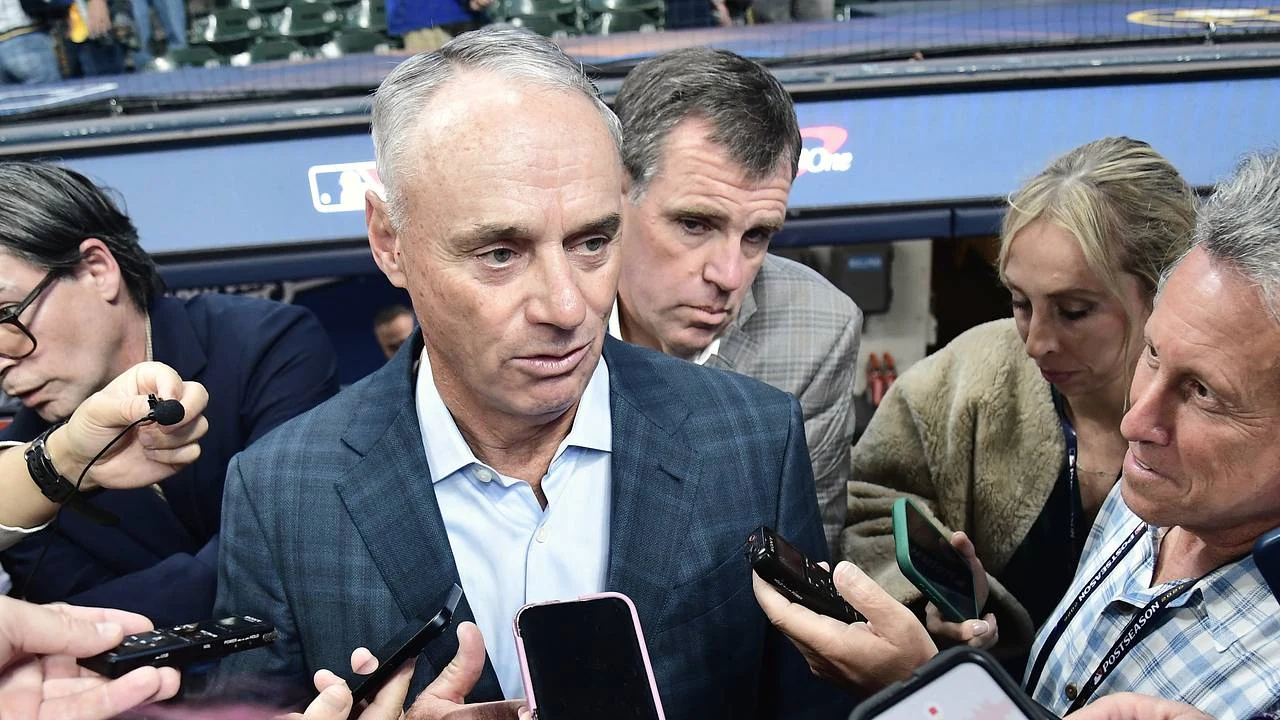
Why did MLB sue the players’ union?
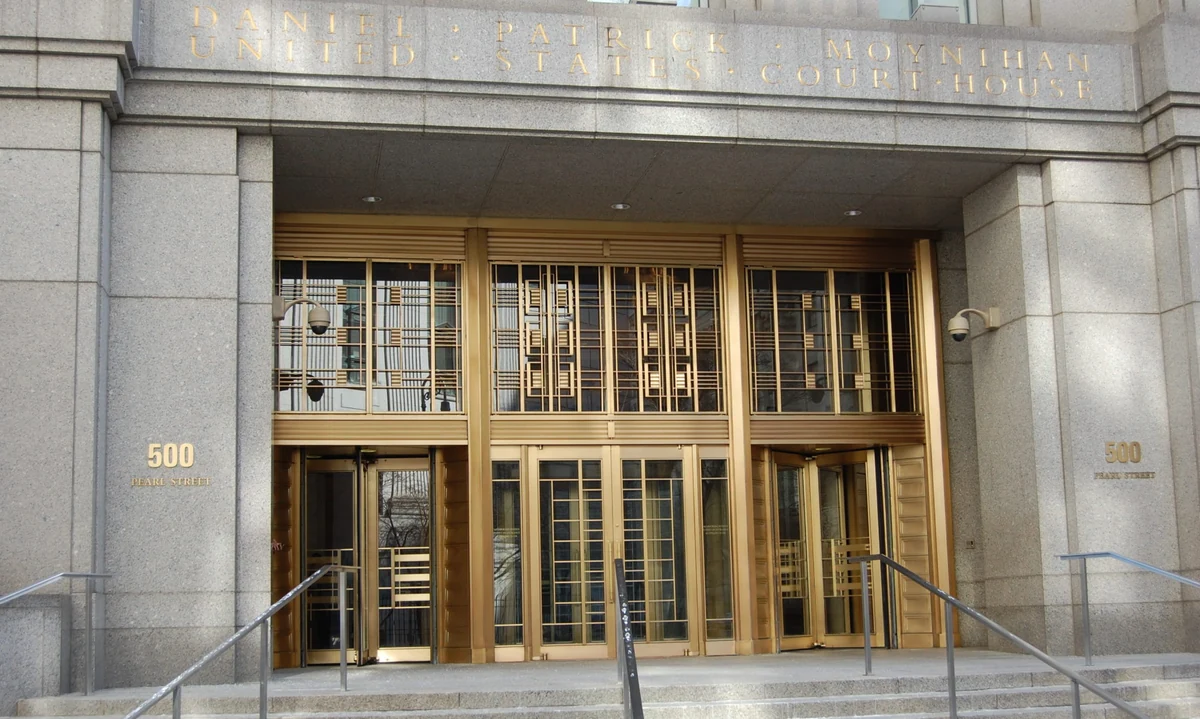
Major League Baseball sued the Major League Baseball Players Association on November 25, 2026, to get a federal court’s answer on the legality of a potential owners’ lockout. The court-stamped complaint was filed in the Southern District of New York under case number 1:26-cv-10380. MLB says it fears that the union could step away from representing players in negotiations and that players could then challenge a lockout under antitrust law. The league is asking for rulings in advance of that possible challenge.
As of November 27, the document to read is the complaint. It tells you what MLB wants the judge to decide and where the league thinks the bargaining dispute is headed. A court decision, an owners’ decision to lock out players and a change to the 2027 schedule would each produce a different announcement or filing. A report on one of those developments should tell you which has actually happened.
The underlying dispute involves the next collective bargaining agreement, or CBA. That is the deal between the league and the union covering the terms on which major leaguers work. It affects the rules clubs use to construct rosters, pay players and operate the season. The expiring agreement is why a labor story in November might eventually matter to somebody holding a March ticket. The 2027 lockout guide covers the broader negotiations and differences between an owners’ lockout and a players’ strike.
Who is named in the complaint?
The Office of the Commissioner of Baseball and the entities that operate all 30 clubs are the plaintiffs. The MLBPA and eight members of its Major League Executive Subcommittee are named defendants. Those players are Chris Bassitt, Jake Cronenworth, Pete Fairbanks, Cedric Mullins II, Marcus Semien, Paul Skenes, Tarik Skubal and Brent Suter. MLB also requested that the court certify a class of players represented by the named individuals and the union. That part of the complaint is a procedural request the judge would have to consider separately.
Skubal offers a useful illustration of the roles involved. The Mets made his nine-year contract official on November 25, according to the club’s account of the signing. The entity that operates the Mets also appears in the case as one of the club plaintiffs. The contract records the Mets’ decision to hire a pitcher. The complaint names him in his role on the union’s executive subcommittee and asks for league-wide declarations about the labor dispute. You can follow the roster move and the litigation through their separate records.
What MLB is asking the court to decide
MLB wants a declaratory judgment, a ruling on the parties’ legal rights in a dispute. In this case the questions concern a lockout the clubs expect to impose, according to the complaint. The filing’s request for relief lays out three routes to the protection MLB wants.
- Protection under labor law. MLB argues that the way clubs bargain with the players should shield the planned lockout from an antitrust challenge. It wants that protection to continue if the union were to give up its bargaining role in the circumstances described in the complaint.
- A ruling on the lockout itself. If a court does examine the lockout under antitrust law, MLB asks the judge to conclude that the stoppage would be a permissible negotiating measure and would not unreasonably restrain trade.
- Limits on a court’s power to stop it. MLB asks for a ruling that two federal statutes keep courts from issuing an injunction against the lockout. An injunction would be a court order that could halt or restrain the owners’ action.
Those arguments give the judge three different questions. The first is whether antitrust scrutiny applies, the second how the lockout would fare under it, and the third whether federal courts can issue a specific kind of order. The outcome on any one question matters to the parties’ leverage. The union and league would still have to reach agreement on the rules for the next season.
Why the union’s bargaining status matters
In baseball, 30 employers can take a common position on player pay at the bargaining table because they negotiate as a group with a union. Labor law and antitrust law can intersect when those same employers act collectively outside a deal. In Brown v. Pro Football, the Supreme Court recognized an antitrust exemption for particular employer conduct closely tied to collective bargaining. The 1996 opinion left open how far the protection extends once the connection to bargaining becomes more remote.
The two terms fans may hear refer to different routes. A disclaimer would be the union saying it no longer claims to represent the group for collective bargaining. Decertification can involve employees asking the National Labor Relations Board to hold a vote on union representation. MLB’s complaint anticipates a disclaimer. The league argues that it would still have labor-law protection and disputes the legitimacy of the hypothetical step. The filing records the league’s argument. The effect of any action the union actually takes would depend on its facts and the law applied to them.
What the filing changes today
There is now a court case to follow alongside the negotiation. Federal court records can be located by case number in the district where MLB filed. Look at who signed the document when a new development is reported. A complaint records a party’s requests. A signed order records action by the court. A team or league schedule notice addresses specific games. In the records available through November 27, the complaint establishes that MLB sought the rulings. A fan looking for a revised spring game date needs a different document.
How the MLBPA responded
The MLBPA statement after the filing called the suit frivolous. The union said it would respond and criticized MLB for going to court during negotiations. That answers why the union objected to the filing itself. Its disagreement with the owners over payroll limits predates the lawsuit. In a separate November 23 bargaining statement, the MLBPA said the end result of the owners’ package would be lower player compensation and restrictions on player contracts.
Commissioner Rob Manfred has argued that a ceiling and a floor on team payroll would narrow spending gaps between clubs and give more fan bases a credible chance to contend. A floor would require low-spending clubs to make up a shortfall under whatever accounting rules the parties agreed on. A cap would limit spending that counts toward payroll at the upper end. Clubs currently work under a competitive balance tax, which charges clubs for spending above thresholds. The MLB salary guide explains what goes into player compensation and payroll.
Imagine a contender with most of its payroll already committed. A tighter ceiling could mean that signing another starting pitcher uses space needed for a reliever or requires another salary to be moved. A club near the floor could have room to add both. What each deal counts for, how existing obligations are treated and what revenue enters the calculation matter as much to the front office as the numbers in the headline. Those details are also why the union evaluates a higher minimum salary alongside the rest of the package.
There was a concrete example one day before the suit. MLB offered to remove escrow from its proposal, allowing the full guaranteed amount of a contract to be paid subject to its terms while using future cap-and-floor calculations to account for league-wide differences between actual and target compensation. Interim MLBPA executive director Bruce Meyer argued that the change would shift financial pressure into a later season. It remained a proposal. A court declaration about the legality of a lockout would leave the actual payroll system for the parties to negotiate.
The CBA deadline and 2027 schedule checkpoints
The current agreement is scheduled to expire at 11:59 p.m. Eastern on Tuesday, December 1, 2026, under Article XXVI of the 2022–26 Basic Agreement. MLB says in the complaint that it expects to impose a lockout at expiration. For fans, the useful sequence is the end of the deal, any announcement of a lockout, and then any notice changing baseball operations or dates. Keep those three on separate lines when you mark your calendar.
A stoppage announced in December would raise questions first about the offseason. Readers following the roster and front-office calendar can check the Winter Meetings guide for the status of that event. A stoppage that lasts into February would raise the more immediate questions of when players can report to camp and whether exhibitions have to move. The effect on a specific regular-season game depends on how much time remains to prepare after the dispute ends and what calendar the league publishes.
Spring training and Opening Day
MLB’s spring announcement puts all 30 clubs on the field in Arizona and Florida on Friday, February 19. These are exhibition games. The published regular-season calendar puts Opening Night on Wednesday, March 24, followed by 14 games on traditional Opening Day, Thursday, March 25. The first scheduled day with all 30 teams playing is Saturday, March 27. The spring training guide and Opening Day schedule answer different planning questions.
Start with the date on your own club’s calendar. Philadelphia plans to open its spring home schedule on February 20 in Clearwater, its regular season on March 25 at Washington and its regular-season home schedule on April 1 in Philadelphia. A spring exhibition, a season opener and a home opener can all be described as opening day in ordinary conversation. Only one of those dates is the scheduled first regular-season game at Citizens Bank Park.
How to verify a change before you alter your plans
Take a fan with a February 20 spring ticket and a Florida hotel. The immediate questions are whether the club says that specific game has moved and when the hotel’s change window closes. Look up the original matchup in the team schedule. If the team postpones it, keep the confirmation and look for the new date. Once the game is rescheduled, check whether the original ticket applies or whether the issuer has given separate exchange instructions. A cancellation can have different rules.
If you have the April 1 home opener, use the home club’s date-specific notice and keep the ticket in the account through which you received it. The Phillies’ ticket information directs fans to club announcements for rescheduled games and applicable policies. A resale purchase, parking pass or hotel reservation may have its own terms. Check each issuer before paying a fee to change a booking, and save the order confirmation so you can identify the event if your seller contacts you later.
What the 2021–22 lockout tells us about a delayed start
Fans saw how quickly a schedule could change during the 2021–22 lockout. Opening Day was initially slated for March 31, 2022. While talks dragged on, the commissioner’s March 9 statement said Opening Day had been pushed to April 14. The sides reached a deal on March 10, ending the 99-day lockout. Under the new agreement the regular season opened April 7 and the league kept a 162-game schedule. At each stage, the date in headlines reflected the best current information. At the end of the dispute, an agreement created room for a different plan.
The league’s revised schedule on March 16 showed where the earlier games went. MLB reassigned 91 contests from the first two series on the old calendar. It added three days to the end of the regular season and used shared off-days and doubleheaders where needed. The revised schedule contained 31 doubleheaders. Even after the sides reached a deal, fans needed the team-by-team schedule to see what happened to a particular ticket or opponent.
For example, St. Louis was originally scheduled to open on the road at Pittsburgh over the March 31 to April 3 weekend. Under the Cardinals’ revised calendar, that series moved to October 3–5. The April 7 home opener against Pittsburgh stayed on its scheduled date. A Cardinals fan who only checked for a game against the Pirates could easily have confused the two series. Home or away and the original date were the details that identified which game moved.
For 2027, follow the dispute in the order in which it can affect your plans. Look for the league and union to confirm a deal or the clubs to announce a stoppage. If the schedule changes, look for a dated league release and then your club’s game notice. The November 25 complaint shows what MLB is asking the court to resolve. The dates that tell you when to be at a ballpark come from baseball’s schedule announcements.
Loading comments...