
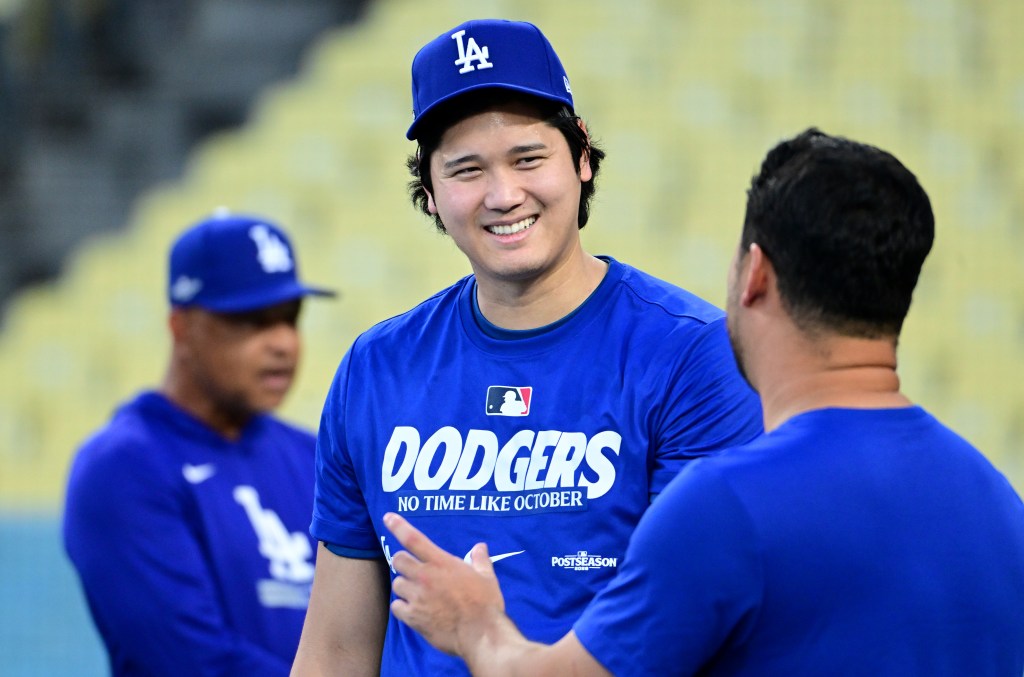
Will Shohei Ohtani pitch in the 2026 postseason?
As of October 10, 2026, fans should expect Ohtani's contribution as a hitter, rather than count on a postseason pitching return. The Dodgers' September updates moved his focus to hitting after left knee and right biceps problems. His return to the batting lineup did not announce a return to the mound. No confirmed postseason pitching assignment was established by the official updates checked for this guide.
That answer has an important date attached. In July, the discussion still concerned whether a pitching comeback might be possible. By September, the club's reporting described a different plan. MLB's September 8 report recorded Ohtani's expectation that he would not pitch again that season. Subsequent coverage described a pitching shutdown and his later return as a hitter.
| Question fans are asking | Dated information | How to read it |
|---|---|---|
| Is he back in the lineup? | Activated September 23; MLB reported the return September 24 | A return to hitting |
| What injuries were reported? | Left knee and right biceps issues in 2026 coverage | Separate from a simple announcement of a pitching start |
| What did the team report before the NLDS? | October 3: preparation as the designated hitter | Batting preparation, not a new pitching assignment |
| Is a recovery date confirmed here? | No confirmed pitching return date in the checked updates | Wait for a new, explicit announcement |
The Dodger Insider's October 3 update discussed preparation at the plate while his physical issues remained something to manage. Feeling more comfortable swinging is encouraging for his batting role. It does not, by itself, establish that he can resume competitive pitching or that every symptom has disappeared.
For anyone planning to watch him, separate the day's lineup from the day's starting pitcher. Ohtani listed at DH means he is scheduled to bat; it does not mean he will take the mound later. The 2026 playoff schedule and bracket guide helps identify the round and game. The player-role update is a different question, and it needs its own current confirmation.
The 2026 injury timeline: knee trouble, biceps symptoms and a return to hitting
The changing timeline explains why search results can appear contradictory. A story about a possible bullpen session and a story about shutting down pitching can both be accurate accounts of different dates. The mistake is treating the earlier expectation as a later announcement. This sequence concerns 2026; a pitching-readiness report from the 2025 postseason describes another season.
| Date | Reported event | What it established |
|---|---|---|
| July 3, 2026 | Last MLB pitching start identified in the later updates | A historical start, not an October assignment |
| July 24 and July 29 | Updates on knee symptoms, bullpen plans and right biceps trouble | A developing pitching situation |
| September 8 | Hitting focus; effective date later reported for the IL stint | A change in role and availability |
| September 11 | MLB's injured-list placement report | News publication date, distinct from the retroactive date |
| September 23 | Return to the Dodgers' batting lineup | Activation as a hitter |
| October 3 | Team report on postseason batting preparation | Preparation for the designated-hitter role |
July and August pitching attempts did not establish an October return
MLB's July coverage concerned Ohtani's left knee and later identified a right biceps issue. At that stage, the reporting discussed throwing activity and possible next steps. A planned session was an attempt to progress, not evidence that the complete return process had succeeded. The later September account identified another throwing buildup during August and a setback near the end of that month.
For fans, the useful lesson is to read the verb as carefully as the date. “Scheduled to throw” describes an intended activity. “Threw” describes something completed. “Will start” describes a game assignment. Those statements answer different questions. Completing a practice session does not automatically turn into a major-league appearance, even for a player whose earlier pitching performances were excellent.
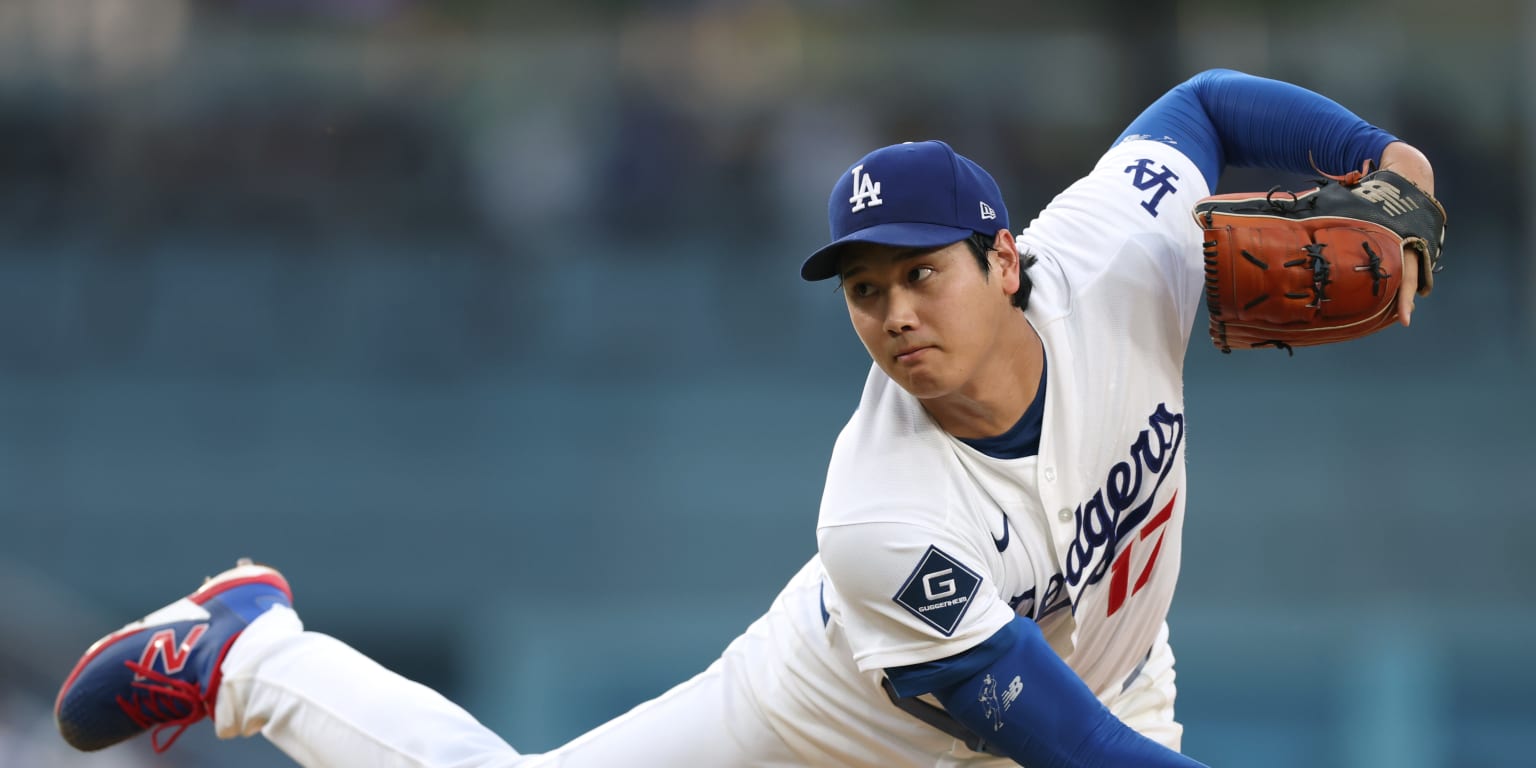
A video of Ohtani throwing can also be shared long after it was recorded. Check its original date before interpreting it as evidence of a new October plan. The same caution applies to an old manager comment about keeping possibilities open. Those possibilities can be narrowed by later symptoms or a later decision, and the September reporting needs to be read after the July reporting.
September rest and injured-list activation changed the plan
The September sequence moved beyond speculation about a next start. Ohtani discussed concentrating on hitting, and the club subsequently placed him on the injured list. The October 3 team article gave September 8 as the retroactive IL date. MLB's placement story was published September 11. Using those as interchangeable dates would confuse the transaction timeline.
He was then activated for the September 23 game, which MLB described in its September 24 report. That article specified a hitting return. The distinction remains important even though “activated” sounds like an all-purpose clearance: it establishes availability after an IL stint, while the stated baseball role explains what he was returning to do.
The length of an injured-list stay should not be read as a countdown to complete recovery. An eligibility date and a club's assessment of what a player can do are separate matters. In Ohtani's case, the later team report still described managing the physical issues while preparing to bat. The chronology supports a return to the lineup, without supplying a confirmed date for resuming pitching.
Why Ohtani can be the designated hitter without being ready to pitch
The designated hitter is a batting role that lets a club use a hitter in the pitcher's place in the lineup. In the ordinary DH role, that player does not have a defensive position on the field. The Dodgers can therefore include Ohtani's bat while assigning the pitching to someone else. He does not need to start on the mound to have a normal place in their batting order.
This makes the term “DH-only” more specific than “out.” A player who is out of a game does not appear. A player starting at DH participates in the offense, taking plate appearances and potentially running the bases. He remains part of the competition. Watching only the defensive half-innings could create the mistaken impression that he is missing from the game when he is actually waiting for his next turn to hit.
Hitting-only also does not mean completely inactive between plate appearances or fully recovered from every physical issue. The October team reporting described managing Ohtani's condition while preparing to hit. Fans do not need to infer an exact medical explanation from a batting cage video. The relevant baseball fact is the role the club has described, alongside the player's actual inclusion in the day's lineup.
Consider a simple viewing example. Ohtani is listed as the DH, and another Dodger is listed as the starter. Those two entries are consistent: one explains who bats in that lineup spot, and the other explains who begins the game pitching. They are not conflicting reports about the same assignment. His reputation as a two-way star does not make every batting appearance a two-way appearance.
A batting-order change is a lineup decision, not a medical diagnosis
When Ohtani returned on September 23, MLB reported him batting second, with Mookie Betts leading off against a left-handed starter. Dave Roberts also described adjusting the top of the order according to the opposing pitcher's handedness. That particular lineup therefore had a stated matchup explanation. It should not be converted into a claim that Ohtani had suffered a new injury.
The order can change again from game to game. A second-place batting slot is still a starting assignment, and moving between first and second does not remove the DH designation. To understand a lineup card, read both the player's position and batting slot. One describes his role; the other describes when his turn comes in the sequence.
The today's MLB games page helps you find the relevant matchup before checking its lineup. Use the actual game information for who is playing, then use dated team reporting for why a role changed. A familiar name appearing in a different slot is worth noticing, but it is not sufficient evidence for a new diagnosis or a pitching comeback.
What a hitting-only Ohtani means for the Dodgers in October
The most immediate effect is that the Dodgers can look for offense from Ohtani without building their pitching plan around his return. Those are two parts of the same game, but they require different assignments. A starting DH can help score runs; he does not automatically supply innings on the mound. For fans watching the lineup announcement, that is the practical meaning of the hitting focus.
It also makes performance and availability different questions. Being in the lineup tells you he can participate in the role selected that day. A hit, walk or strikeout tells you what happened in a plate appearance. None of those outcomes alone identifies how his knee or biceps feels, and one difficult game does not establish a new medical setback. Look for a player or club update before attaching an injury explanation to every result.
The starting rotation still needs its own confirmed assignments
The starting pitcher is a separate pregame announcement. Use the specific game's probable-pitcher listing and the club's latest comments to see who is expected to begin. A matchup listed several days ahead can change, so check again near first pitch if the pitcher is central to your plans. An old clip of Ohtani's previous start is not an alternative source for that announcement.
Likewise, being available to bat does not establish availability to pitch in relief. Starting and relief pitching are different assignments, but both involve pitching. Neither can be inferred from a DH listing. This guide does not assign Ohtani a bullpen role or predict that the Dodgers will make an exception later in October. A new role would need a new, explicit update.
For viewers, the most useful habit is to check the hitter lineup and pitching assignment together. You can then know whether you are tuning in for Ohtani's plate appearances, another pitcher's start or both. That avoids the disappointment of expecting a two-way appearance from a game that never advertised one.
A postseason roster spot does not promise a pitching appearance
A postseason roster identifies the players a club selects for a series. It is not a promise that every selected player will start, enter a particular game or perform every role associated with his career. The game lineup, later substitutions and pitching changes determine how those available players are used.
For Ohtani, the relevant distinction is particularly easy to overlook because he is famous for doing two jobs. A fan seeing his name on a roster may think of both. The club's described hitting focus supplies the missing context. Eligibility for a series and an announced return to competitive pitching should therefore be checked separately.
If you miss part of a game, the MLB Gameday guide explains how to follow plate appearances and substitutions. The game record shows what actually happened, while a roster shows who was available. Reading both is useful when a televised graphic or social post leaves the player's role unclear.
How to follow Ohtani updates without relying on an old headline
Start by checking the season and the original publication date. Ohtani's previous postseason pitching appearances are part of his career, but they do not describe his 2026 injury status. A search result can surface an old story because it contains the same words you searched. Open the article and establish when the reported activity happened before treating it as today's news.
Next, identify what kind of update it is. A player discussing his symptoms, a roster transaction, a practice report and a game assignment are different pieces of information. Each is useful for its own question. Confusion begins when a report that answers one is used to claim another, such as turning an IL activation into a confirmed pitching appearance.
- To check whether he starts as a hitter: look for the game's announced batting lineup and DH designation.
- To check the expected starter: use the specific game's current probable pitcher and club announcement.
- To understand a health update: read what the player or team actually reported, with its date attached.
- To check an alleged comeback date: find an explicit new announcement, rather than infer it from a workout or an old headline.
It is also useful to separate an article's date from an event date. The September 24 activation report described the previous day's game. The September IL reports included a retroactive transaction date. Reading the whole timeline prevents an apparent mismatch of one or several days from becoming a false claim about how long he was absent.
For watching a particular game, check the MLB TV schedule close to first pitch. That supplies the viewing information; it does not replace the lineup or health announcement. You can plan to follow Ohtani's batting opportunities without assuming a pitching appearance that has not been announced.
This guide's confirmed cutoff is October 10, 2026. The checked official reports support a hitting focus after knee and biceps problems, a September return to the batting lineup and October preparation as the DH. They do not establish a new postseason pitching return date. If the club announces a different role, the new announcement should be read on its own date and terms, rather than stretched out of an earlier stage of the recovery discussion.
Loading comments...