
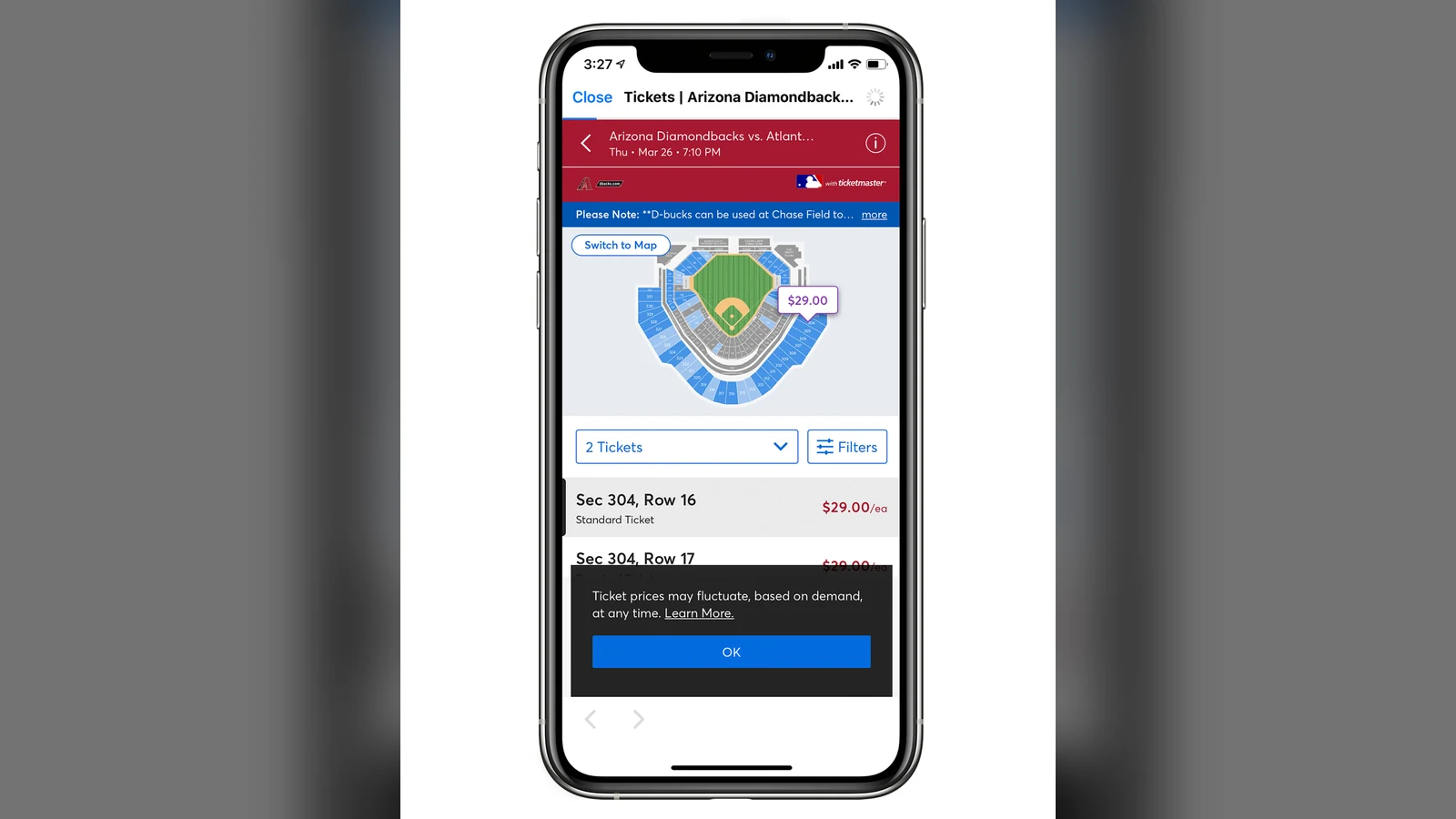
MLB ticket “junk fees” are mandatory charges that critics say were revealed too late in the purchase flow or described in a misleading way. Three clubs—the San Francisco Giants, Boston Red Sox and Washington Nationals—have faced separate proposed class actions over historical ticket-pricing practices. Those complaints contain allegations, not final findings that every challenged charge was illegal.
Federal rules now require live-event ticket sellers to make the total price, including most mandatory fees, the most prominent advertised price. That does not make every ticket cheap, eliminate itemized fees or guarantee a refund. It gives fans a clearer number to compare before checkout.
What Are MLB Ticket “Junk Fees”?
The label usually refers to an unavoidable service, convenience, handling or order-processing charge that appears after a fan has selected seats. The legal concern is often the way the total was advertised, when the charge appeared and whether its description was truthful—not the mere existence of a line item called a fee.
Drip Pricing Versus a Clearly Disclosed Fee
Drip pricing starts with a partial price and reveals mandatory charges later. A buyer may compare $20 tickets, choose seats, create an account and reach a countdown screen before discovering that the actual required total is higher. The Federal Trade Commission describes that sequence as a form of bait-and-switch pricing because the low opening number shapes the decision.
A fee can instead be itemized transparently. If the most prominent advertised total already includes every unavoidable charge, the seller may show how much of that amount it labels as service or processing. The FTC rule focuses on the true total and accurate descriptions; it does not forbid an itemized breakdown.
Why the Final Checkout Total Matters
Fans buy combinations of seats, not an abstract per-ticket headline. Four $25 tickets are not a $100 purchase if mandatory per-ticket and per-order charges bring checkout to $140. Compare the same quantity, section and row using the total that will be charged, then add optional parking or insurance separately.
The total also helps compare official primary inventory with resale listings. A lower first number can lose its advantage once charges are included. If you are still deciding which game to attend, start with today's MLB games, then open ticket offers for the exact matchup rather than comparing unrelated events.
Which MLB Teams Were Sued Over Ticket Fees?
Reports in January 2026 identified three clubs facing separate proposed class actions: the Giants, Red Sox and Nationals. The complaints concern different transactions, jurisdictions and state-law theories. They do not amount to a lawsuit against all of MLB.
San Francisco Giants Allegations
Flores v. San Francisco Baseball Associates LLC was filed in federal court on January 26, 2026. The complaint alleges that ticket buyers saw one advertised amount and later encountered charges labeled service, convenience, handling or order-processing fees on MLB.com or in the MLB Ballpark app.
Reporting describes named plaintiff Juan Flores's example: two tickets advertised at $10 each allegedly reached a $29 total after a $5.50 convenience fee and $3.50 order-processing fee. The complaint says a checkout countdown increased pressure and seeks relief for a proposed group of qualifying buyers. It also alleges the challenged practice stopped around July 2024.
Those numbers describe one plaintiff's allegation, not a court finding about every Giants game or ticket. The suit still has to overcome defenses, procedural motions and class-certification requirements.
Boston Red Sox and Washington Nationals Cases
Three fans sued the Red Sox in Massachusetts federal court in January 2026, alleging that historical ticket purchases used drip pricing and violated state consumer-protection law. Front Office Sports reported an allegation that the club commonly charged a $7 order fee, while the Red Sox responded that it had always complied with applicable state and federal laws.
The Washington Nationals also faced a separate proposed class action over alleged hidden ticket charges. A 2026 federal order and appeal docket show procedural disputes, including arbitration-related questions. That procedural record is not a final determination that the advertised prices were lawful or unlawful.
Fans visiting a Red Sox schedule or another club page today should judge the current checkout display on its own terms. The lawsuits primarily address alleged past transactions and do not establish that every present ticket page uses the same flow.
What the Lawsuits Do and Do Not Prove
A complaint tells the plaintiffs' version of events and identifies the relief they seek. It is the beginning of a contested case. A headline saying a team “was sued” does not mean a court has certified a class, found liability or ordered refunds.
Proposed Class Actions Are Allegations
The named plaintiffs ask to represent larger groups, but a judge must decide whether the legal requirements for class treatment are met. The defendants may challenge the facts, the legal theory, the proposed class definition and whether particular buyers agreed to resolve disputes another way.
A settlement can end a case without a liability finding. A dismissal can address pleading or procedure without deciding that every fee display was proper. A verdict or final judgment may apply only to a defined period, platform, jurisdiction and group of purchasers. That is why fans should not interpret the three filings as a universal MLB refund program.
Procedural Fights Over Dismissal and Arbitration
As of the latest accessible 2026 docket entries, the Giants case included motions to dismiss and to compel individual arbitration and stay the court action, followed by plaintiff opposition in July. The Nationals matter also produced rulings and appellate activity around intervention and arbitration issues. Reporting says the Red Sox likewise sought dismissal or arbitration.
Arbitration questions can determine where an individual claim is heard before a court reaches the truth of the pricing allegation. A motion is a request, not a victory. Readers following these cases should look for signed court orders, class-certification rulings, approved settlements or final judgments—and check the exact date—rather than relying on a party's press release.
What the FTC All-In Pricing Rule Requires
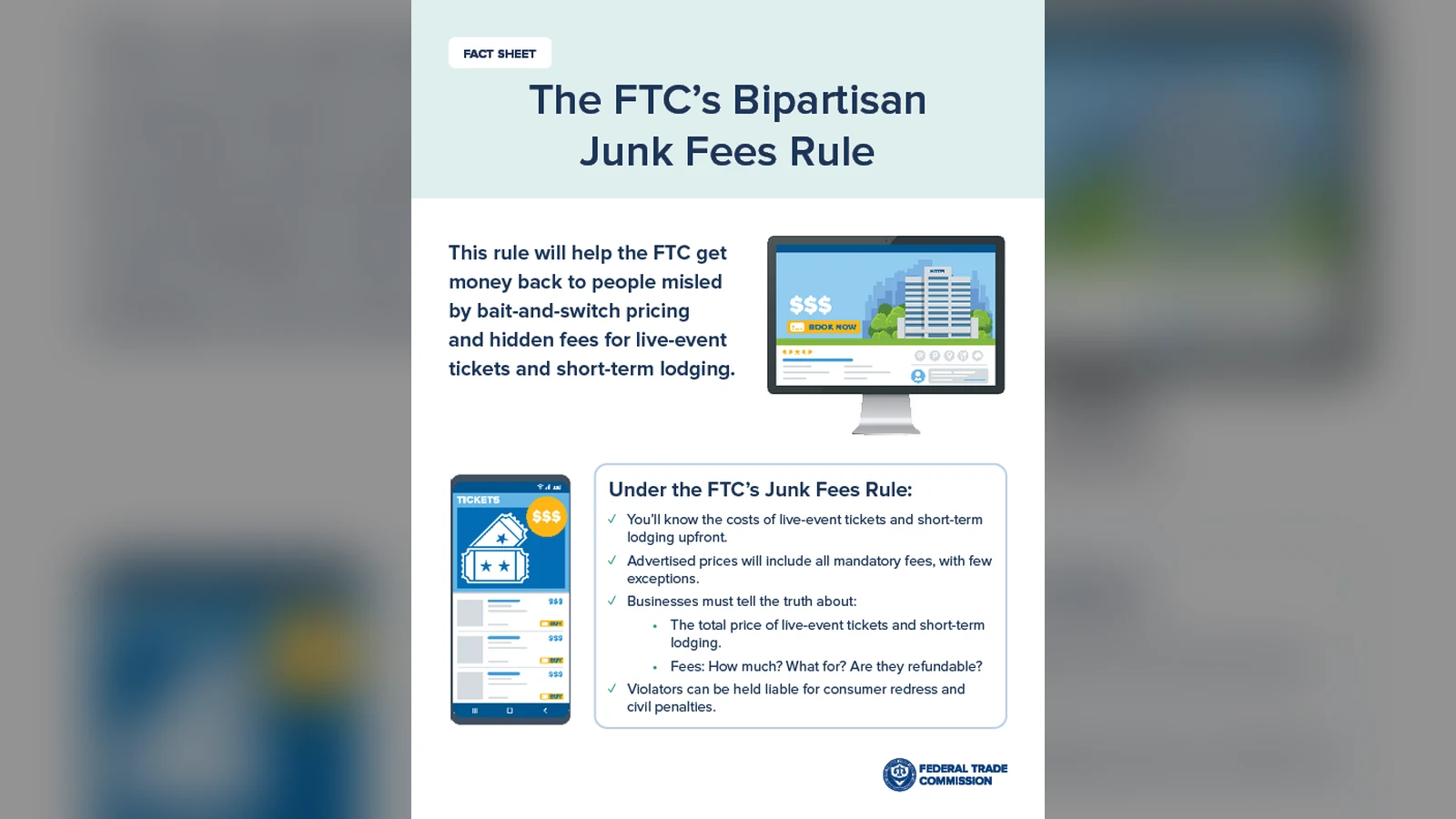
The FTC's Rule on Unfair or Deceptive Fees took effect on May 12, 2025. It covers live-event tickets, including sporting events. Its core idea is straightforward: when a business advertises a ticket price, the consumer should see the unavoidable total up front instead of discovering mandatory charges late in checkout.
Mandatory Fees in the Prominent Total
The displayed total must include fees a buyer cannot reasonably avoid. It must be clear, conspicuous and more prominent than most other pricing information. A seller cannot lead with the base price in large type while making the required total difficult to find.
The seller may still itemize the amount. For example, it can show that an all-in $42 total consists of a $35 base amount and a $7 mandatory service fee, provided the $42 total receives the required prominence. Descriptions of each charge, including its amount and refundability, cannot be misleading.
Charges That May Be Shown Separately
The rule permits government charges and shipping to be excluded from the first total under specified conditions, because those amounts can depend on the transaction. Their nature and amount must still be disclosed clearly before the buyer consents to pay. An optional add-on chosen by the consumer—such as certain insurance or extras—is not an unavoidable fee and can appear separately.
Taxes, delivery and optional products therefore require attention at checkout even on an all-in-price page. “All-in” does not authorize the seller to hide them; it describes how mandatory seller charges are presented under the rule.
What the Federal Rule Does Not Do
The FTC rule does not cap the face value, ban a service fee, require every fee to reflect the seller's exact cost or outlaw dynamic pricing. It does not guarantee that the same seat will cost the same tomorrow. It requires honest, prominent disclosure so consumers can compare real totals.
State consumer laws may impose additional requirements, and the pending baseball cases invoke state as well as federal concepts. A compliant current display also does not automatically resolve whether an older transaction violated a law in effect at that time.
Primary Tickets and Resale Listings Are Different Purchases
Primary inventory is sold by the club or its contracted ticketing system. A resale listing is offered by a season-ticket holder, broker or another seller through a marketplace. Both can be legitimate, but they may carry different prices, guarantees, delivery schedules and remedies.
Compare Seller, Seat and Full Total
Confirm the exact game, section, row, seat count and home-game label before comparing totals. A resale offer for four adjacent seats is not equivalent to a primary offer for two. Check whether parking, club access or food credit changes the package, then compare the amount due before payment.
Record the seller of record. A club ticket office may not be able to refund or troubleshoot a payment made to a separate marketplace. This is particularly important for conditional postseason games; the existing 2026 World Series ticket guide explains the high-demand purchase context.
Dynamic Prices Are Not Automatically Hidden Fees
Dynamic pricing changes the offered ticket price as demand changes. A transparent $80 all-in price today can become $95 tomorrow without being a hidden fee, provided the current required total is displayed properly and the seller does not misrepresent the charge. The FTC rule expressly leaves businesses flexibility over pricing strategy.
Fans can still dislike or reject the price. Set a maximum total, compare alternate dates and consider sections with a similar view. When attending no longer fits the budget, the MLB TV schedule offers a practical way to find the game's broadcast instead of completing a rushed purchase.
How Fans Can Protect Themselves at Checkout
Most ticket sales are time-sensitive, but two careful minutes can prevent a wrong-game purchase and preserve useful records. Ignore the emotional pressure of a countdown long enough to verify the event and total.
A Two-Minute Price and Policy Check
- Confirm the team, opponent, date, venue and home-game number.
- Verify section, row, quantity and whether seats are together.
- Find the most prominent all-in total and divide it by the number of seats.
- Identify taxes, shipping and optional products that remain separate.
- Read delivery, transfer, cancellation and refund terms.
- Check that the domain or app belongs to the seller you intend to use.
If the total is unclear, leave the cart and compare another seller. A timer is not a reason to approve an amount you do not understand. Never move the payment off-platform in exchange for a promised lower fee.
Save the Record Before and After Payment
Before paying, save the offer page showing the event, seats, displayed total and fee breakdown. Afterward, keep the confirmation email, receipt, order number, seller terms and any cancellation notice. Include timestamps when possible because price and policy pages can change.
Do not post an active ticket barcode or transfer link. Those credentials can let another person claim or use the ticket. A screenshot of price disclosures can document what appeared, but it does not by itself establish a legal violation or guarantee reimbursement.
Refunds, Complaints and Future Case Updates
A disputed fee, a canceled event and an unauthorized card charge are different problems. Use the seller process that fits the event, then escalate with a clear record if the response does not address the issue.
When a Fee Dispute May Not Produce a Refund
Seeing an itemized service fee is not enough to establish that the charge was hidden or unlawful. If the mandatory total was prominently disclosed before selection and the description was accurate, the federal all-in pricing rule does not require the seller to remove the fee. A fan's decision not to attend also normally does not trigger a refund.
A class-action filing does not automatically enroll every buyer in a payment program. Any eventual notice would define the purchase dates, location, seller, fee and deadlines that qualify. Do not pay a social-media account that promises to “register” a claim before an official court-approved notice exists.
Where to Report a Pricing Problem
Start with the seller's customer-service channel and identify the advertised amount, mandatory charge, transaction date and requested resolution. If a charge was unauthorized, contact the card issuer promptly under its dispute rules. State attorneys general or consumer-protection offices can receive complaints involving state law, while the FTC accepts reports at ReportFraud.ftc.gov. Filing a report helps enforcement analysis but does not promise an individual refund.
For lawsuit news, check the court docket and signed orders rather than recycled headlines. As of September 20, 2026, the cases discussed here should still be described as allegations with active procedural disputes, not final rulings that the clubs owe all fans money.
Loading comments...